Hydroponic Peace Lily Not Blooming: Causes and Solutions Explained
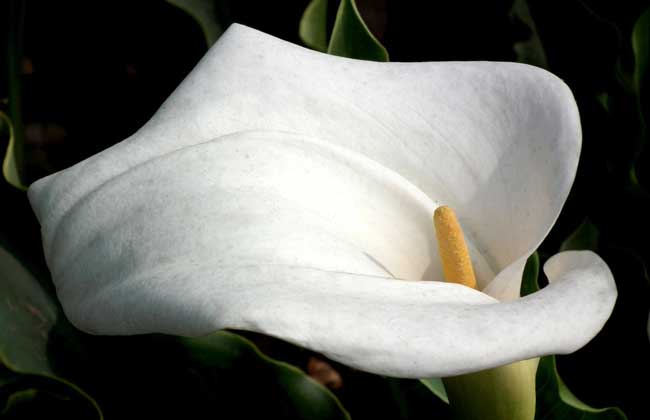
The peace lily (Spathiphyllum) is a perennial houseplant in the Araceae family and a very common potted plant with high ornamental value. It can be grown hydroponically. A hydroponic peace lily not only regulates indoor temperature and humidity through transpiration, but also effectively purifies volatile organic compounds in the air, such as alcohol, acetone, trichloroethylene, benzene, toluene, methylene chloride, and ozone. Let's take a look below at what to do when a hydroponic peace lily won't bloom!
Unsuitable Light
[Cause] The peace lily is fairly shade-tolerant; about 60% scattered light is enough to meet its growth needs. If the light is too dim for a long time, the peace lily will grow weak and be unlikely to bloom. If the sunlight is too strong and direct, the leaves may turn yellow, which affects growth and is unfavorable for blooming.
[Solution] Adjust the light to be mainly scattered light; it does not have to be exposed to direct sun. In summer, try to avoid direct sunlight.
Unsuitable Temperature
[Cause] The peace lily can tolerate relatively high temperatures but not low temperatures. When the temperature is low, it is not easy for it to bloom. To make it bloom, it must be kept above 20°C, but the temperature should not be too high either; above 35°C will affect the growth of the peace lily.
[Solution] The optimal growing temperature for the peace lily is 20-28°C, so when growing a peace lily hydroponically indoors, be careful to control the room temperature well.
Unsuitable Water Quality
[Cause] The container used for hydroponic peace lily cultivation is prone to growing algae, which affects the ornamental appearance of the root system and also consumes oxygen in the water. If the water is not changed in time, it will affect the growth of the peace lily.
[Solution] When changing the water for the peace lily, first wash away the mucus on the roots with clean water, cut off old roots and rotten roots, and scrub the algae off the container and root system. Each time you change the water, the water level should preferably submerge 1/2-2/3 of the root system, with the remaining root sections left exposed to the air.
Insufficient Nutrients
[Cause] During the growing season, the peace lily grows rapidly and needs a relatively large amount of nutrients. Not fertilizing for a long time is unfavorable for healthy plant growth, so it will not bloom.
[Solution] For hydroponic peace lily, change the water about once every 7 days in summer and about once every 10-15 days in winter. When changing the water, add a few drops of special nutrient solution for hydroponic flowers. During the bud stage, spraying the leaves 2 to 3 times with a 0.3% potassium dihydrogen phosphate solution can promote blooming.
Unsuitable Humidity
[Cause] The peace lily requires high humidity. When the air is too dry, it is unfavorable for blooming, so each misting should be thorough.
[Solution] When growing peace lily hydroponically, to prevent the leaves from drying out, spray the leaf surfaces with clean water during routine care to maintain moisture. This can also increase the glossiness of the leaves.