A Detailed Guide to Hydroponic Flower Cultivation Techniques and Methods
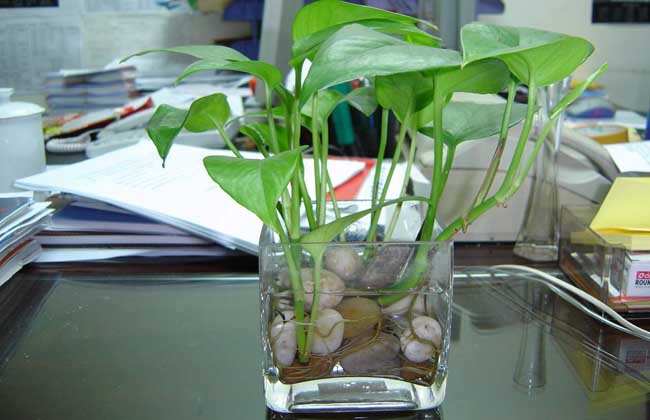
Hydroponic flowers are a new generation high-tech agricultural project, using modern bioengineering technology and physical, chemical and biological engineering methods to acclimatise ordinary plants and flowers so that they can grow in water over the long term. With flowers filling the room with fragrance above and fish swimming freely below, they are hygienic, environmentally friendly and low-maintenance. Let us take a look at hydroponic flower cultivation techniques below!
Flower Selection
Common varieties of hydroponic flowers include carnation, asparagus fern, African daisy, tulip, hyacinth, chrysanthemum, calla lily, gloxinia, cyclamen, Chinese rose, gladiolus, orchid, lucky bamboo, Ficus microcarpa, Dracaena fragrans, Spathiphyllum, Schefflera, Monstera deliciosa, Aglaia odorata, Clivia, camellia, Chinese rose, jasmine, rhododendron, golden osmanthus, lucky bamboo, violet, Phalaenopsis, fuchsia, five-needle pine, banana shrub, rubber fig, Dracaena fragrans, begonias, ferns, palms, clustered taro, Alocasia, anthurium, Chlorophytum comosum, variegated lucky bamboo, Aeonium, Hibiscus, Clivia, Paphiopedilum, Christmas cactus, lucky bamboo, Aechmea, dusty miller, Dracaena fragrans, ivy, Coleus, etc.
Container Selection
Hydroponic flowers have the characteristic of displaying the beauty of the root system of ornamental flowers, so the container should be clear and transparent. On the market today there are more and more types of transparent glass vases, plastic vases and acrylic vases in a thousand different shapes, which compared with soil-grown flower pots are more elegant and better able to match the home environment, improving the decorative effect and taste.
Root Washing Treatment
For soil-cultivated flowers, first moisten the soil with water, then remove the plant, take off the soil, and wash the roots clean with clear water for later use. First, plants used for hydroponics should have a neat and attractive form and a good decorative effect; plants that are too small have a poor ornamental effect and are not suitable as root-washing material. Second, they should be robust and free of pests and diseases. Robust plants recover easily and adapt easily to the water environment. Some plants that have just been divided or have poor root systems are also not suitable as root-washing material; they can be kept in a solid substrate and washed once their root systems are abundant.
Water Level Control
Place the root-washed flowers in a water bottle, let the roots spread out, and add clear water and nutrient solution; the water level should be low rather than high. It is enough for the roots to be in the water, or even less, maintaining an adaptation period of one month, changing the water about once every 4 days, keeping the water clean and adding flower nutrient solution.
Choosing a Nutrient Solution
Household hydroponics basically uses the static hydroponic method, and the nutrient content in the water is relatively low, so nutrients should be supplemented appropriately. For the nutrients needed by hydroponic flowers, it is recommended to use special nutrient solutions sold on the market, because different plants need different nutrients, and therefore the formulas of nutrient solutions also differ; when buying, you can choose different nutrient solutions according to the different plants being cultivated. Flower shops generally have many types of nutrient solution for users to choose from, such as all-nutrient nutrient solution, flower hydroponic acclimatisation solution, flower foliar fertiliser, rooting nutrient solution, seed-soaking nutrient solution, foliage plant nutrient solution, Clivia nutrient solution, cactus nutrient solution and so on.
Early-Stage Care
In the early stage, hydroponic flowers should be placed in a cool place without strong light, which helps the plant recover. When roots are washed from the soil substrate and enter the water environment, the plant goes through an adaptation and recovery process, during which it may wilt and its leaves may turn yellow; too much sunlight will worsen this phenomenon and affect recovery and ornamental value. After new roots grow, the plant will gradually recover its uprightness and vitality.
Ventilation Management
The quality of hydroponic flowers is directly related to the oxygen content in the water, and the amount of oxygen in the water is in turn related to the activity of people indoors and the quality of ventilation. When indoor ventilation is poor and people are frequently active, the oxygen content in the water decreases rapidly, which affects the growth of hydroponic flowers, whereas maintaining good indoor ventilation can increase the oxygen content in the water. Therefore, in places where hydroponic flowers are kept, ventilation should be strengthened to maintain fresh indoor air and good flower growth.