How to care for a potted ginseng ficus? Master these care methods
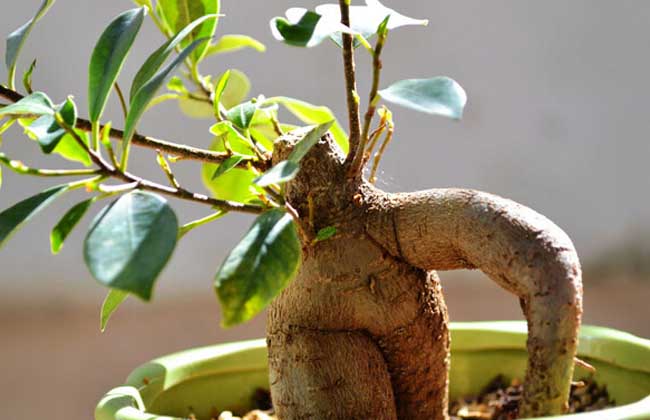
The ginseng ficus is cultivated from seedlings of the small-leaved banyan (Ficus microcarpa), an evergreen tree in the mulberry family, genus Ficus. Its potted plants have been transplanted all over the world. Its roots resemble ginseng, with a natural form, exposed root base, lush crown and unique charm. Admiring its shape and form is endlessly delightful and pleasant, and it is deeply loved by consumers around the world. Let us now take a look at how to care for a potted ginseng ficus!
Growth habits of the ginseng ficus
The ginseng ficus has astonishing vitality and can grow in any environment and any soil type, even clinging to rocks or retaining walls. It is salt-tolerant, likes light and a warm, humid climate, and tolerates waterlogging. It grows slowly and has a broad, dense crown of branches. Its growing temperature is 18-33 degrees; in winter it must not go below 10 degrees, and below 6 degrees it is highly susceptible to freeze damage. It likes a warm, humid environment. In spring and autumn it can be placed in a spot with appropriate light, and in summer in a place without direct sunlight. Watering should follow the principle of watering when dry and stopping when wet, and the pot soil should be kept moist regularly.
Propagation methods of the ginseng ficus
1. Sowing: The ginseng ficus should be sown as soon as the seeds are collected and processed. First wrap the ripe berries in cotton gauze, rub and wash them in clean water until they become mushy, let them dry for 2-3 days, then sow them directly in a prepared sand bed or flower pot, broadcast sowing, without covering with soil, and spray with clean water 1-2 times a day to keep the bed surface moist. At a temperature of 25-30°C, they will germinate successively 10 days after sowing.
2. Cuttings: When large-scale seedling propagation is carried out in South China and Southwest China, softwood cuttings are mostly taken in open-field seedbeds during the rainy season, and the survival rate can reach over 95%. In the north, in early May, one-year-old plump and full branches can be taken and inserted in flower pots, wooden boxes or seedbeds. Cut the branches into sections of 3 nodes each, keep 1-2 leaves at the tip, insert them into plain sandy soil, maintain them in the shade, spray water 1-2 times a day to increase air humidity, and be careful to protect them from wind; they can take root successively after 20 days.
3. Layering: To cultivate large seedlings of the ginseng ficus, the softness of large branches can be used for layering. First place a large flower pot filled with potting soil near the mother plant, then choose a large side branch with a good shape and bend it down to bury it in the flower pot, press a stone on top; the buried part will take root without needing to be wounded, and after 2 months cut it off from the mother plant to form a larger potted plant.
How to care for a potted ginseng ficus?
1. Soil: For growing a ginseng ficus bonsai, river sand or sandy soil is best. In order for the roots of the ginseng ficus to be large and fat, a little fertilizer should be added, and a fertilizer with a higher proportion of phosphorus and potassium can be used. When cultivating the ginseng ficus, be sure to use seeds for sowing so as to grow fat roots.
2. Temperature: The best growing temperature for the ginseng ficus is between 18-33°C, so in winter and summer attention must be paid to sun protection and freeze protection. Especially in winter, the temperature must not be too low, otherwise leaf drop is a minor matter and it may even freeze to death.
3. Watering: The ginseng ficus can keep the pot soil slightly moist, but it must never be waterlogged. No flower or plant can be waterlogged, so the number of waterings should be controlled, and water again when the pot soil is dry (dry does not mean very dry, and one should not go to extremes).
4. Fertilizing: The ginseng ficus does not like fertilizer, and a small amount of compound fertilizer (slow-release fertilizer) can be applied once each season. The main components of the fertilizer are nitrogen, phosphorus and potassium. Fertilize 3 to 4 times a year, and do not apply excessively, otherwise it easily causes excessive growth of branches and leaves and ruins the plant's composition and shape.
5. Repotting: The ginseng ficus can be repotted once every 2 years, with the best time being before it is moved outdoors in spring. Pry open the soil around the flower pot, take out the plant with its large tuberous roots, remove part of the old soil, and replant it with fresh, fertile, loose, well-draining and nutrient-rich potting soil.
6. Pruning: When repotting the ginseng ficus, moderately prune and adjust the branches and leaves so that it can continue to maintain a good plant shape. Just after repotting, do not water too much; wait until the temperature rises above 20°C, then give normal water and fertilizer management.
Precautions for the ginseng ficus
1. A newly bought ginseng ficus first has to adapt to a new environment, and secondly it may also have been newly planted by the seller, so dropping leaves at the beginning is normal. Therefore, after buying it home, let it first adapt to the pot, and only after it has adapted consider management methods such as sunlight and fertilizing.
2. Do not move the position of a potted ginseng ficus at will. After choosing a good position, apart from watering or occasionally tending to it, do not tend to it three times a day.
3. The ginseng ficus needs attention to ventilation. Because it tolerates partial shade, some flower lovers grow it indoors, which leads to poor indoor air circulation and causes the ginseng ficus to lose its vitality.
4. The ginseng ficus needs attention to pruning. The reason it looks good is because of its good tree shape. If it is not pruned for a long time, it will grow wild and lose its ornamental value, so pruning is necessary and can be done every spring.
What to do if the leaves of the ginseng ficus turn yellow?
1. Overwatering
[Cause] Overwatering causes water to accumulate in the pot soil and remain wet for a long time, resulting in a lack of oxygen in the soil, which causes part of the fibrous roots to rot, thereby weakening the ability to absorb water and fertilizer, causing the ginseng ficus's young leaves to turn light yellow, and the variegated leaves to gradually turn dark yellow as well.