How much does land transfer cost per mu? Price is affected by multiple factors
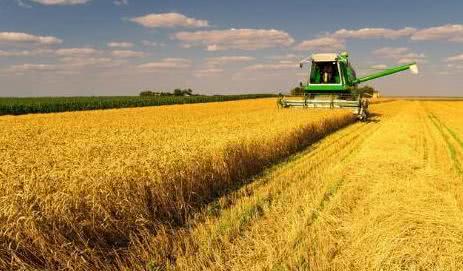
In recent years people's living conditions have generally improved, and young people by and large do not want to go home to farm, because growing grain is, frankly speaking, truly very hard work, and the little income earned from grain each year is something many young people turn their noses up at. Young people are unwilling to go home to farm, and the elderly in the village are too old to farm the land. So land transfer is a pretty good solution.
And in recent years the state has also supported land transfer. Land transfer can concentrate the small plots of land in farmers' hands for large-scale management, which not only can raise the level of agricultural mechanization, save manpower and increase yields, but can also effectively reduce the occurrence of abandoned land, and farmers can also reduce the losses from abandoned land by collecting land transfer fees. It is fair to say this is still a pretty good option.
However, the amount of land transfer money is not fixed. This is a bit like renting a storefront: if your property is in the city center, with heavy foot traffic and a good location, naturally the rent will be higher. If your property is in a small mountain village, where you barely see a single person normally, let alone customers, then no matter how low the rent is, there may be no takers for such a storefront.
So the amount of land transfer money varies across the country. This needs to take into account local geographical environment, land conditions, what is grown on the land, grain prices and other comprehensive factors. But on the whole we can still get a fairly general grasp of the amount of land transfer money.
Take Northeast China: depending on the crops grown and changes in grain prices, land transfer fees are also changing. Last year in Northeast China, areas growing corn were around 300 yuan per mu, and areas growing rice were around 600 yuan per mu. But this year corn prices have risen, and the price in corn-growing areas has climbed to around 500 yuan per mu.
But this is still only land for growing grain. If your land is fairly close to a city and the land conditions are also fairly good, there is a chance that tenants growing vegetables, fruit and other relatively highly commercialized crops will come to discuss land transfer. The transfer amount for this kind of land will be somewhat more expensive; generally, depending on the geographical location, the price is around two thousand per mu.
Take my hometown in North China, where wheat is mainly grown. Although the soil is fertile and the land is flat, many farming households are unwilling to transfer their land out, because the elderly generally have deeper feelings for the land, and as long as they can still move they will not let the land go to waste. This creates a situation where small plots are hard to transfer, and many plots stuck in the middle that people want to transfer are also hard to transfer out; even if they are transferred out, the price will not be very ideal. Sometimes many farming households just lend their land to neighboring growers to farm, and get some grain for themselves each year. But judging by market prices, it is generally around 600 yuan per mu.
This situation of small-plot land transfer is even more obvious in the hilly areas of the south. Due to the constraints of the terrain and environment, much of the land in southern areas is fairly scattered, making it even harder to transfer, and the price is also relatively low; sometimes it is even left abandoned.
But taking an overall view, the current national land transfer situation is still fairly good. After all, being able to transfer land out is also a good thing for young people: they can go out to work, the family land will not go to waste, and they can collect land transfer money along the way. It is still a pretty good option.
The above comes from Science Xingnong.