How much do you know about the benefits of amaranth? In June it's as good as eggs, in July it's worth its weight in gold
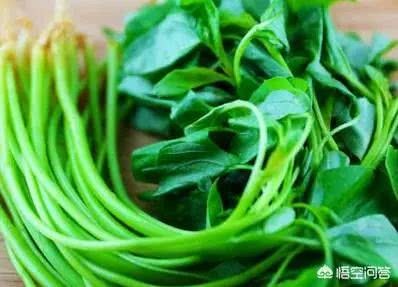
In summer, my favorite vegetable to eat is amaranth. Where I live, we have red amaranth and green amaranth. Red amaranth loses its color when stir-fried. Around here, amaranth isn't considered a wild vegetable, though it's quite resilient - it can grow in poor spots like wall corners and behind houses. Here, this small farmer will chat with everyone about the topic of amaranth.
When I was a kid, my favorite summer dish was stir-fried amaranth with garlic, especially with a few dried chili peppers added - it goes down really well with rice. My mother also liked to add amaranth to noodles. Red amaranth loses its color, so the noodle soup comes out red. But amaranth is delicious. And amaranth is easy to grow - plant one this year and just let it grow on its own without much care. By autumn it can reach over one meter tall, and it produces lots of seeds. The seeds scatter on the ground by themselves, and the next year many little amaranth plants will sprout there. You could say it's very easy to grow.
Being from the north, I had only ever eaten amaranth leaves, and later discovered that amaranth stems are edible too. In the south there's a famous dish called "fermented amaranth stems," made from amaranth stems. It's mainly made by fermenting amaranth stems, and the flavor is very savory. And one thing that must be mentioned is that the brine from fermented amaranth stems is even more useful. When making authentic stinky tofu, the brine from fermented amaranth stems is the one thing you absolutely can't do without - only after the stinky tofu has been soaked in fermented amaranth stem brine does its flavor become even more savory.
Having talked about amaranth leaves and amaranth stems, amaranth seeds and roots are also very useful. Amaranth seeds are quite beneficial too - they can supplement protein, improve digestion, prevent heart attacks, and benefit hair, among other things. In many places, amaranth seeds are eaten as a grain, ground into powder and mixed into flour for consumption.