A detailed guide to hibiscus cultivation techniques: master the key points of planting and care
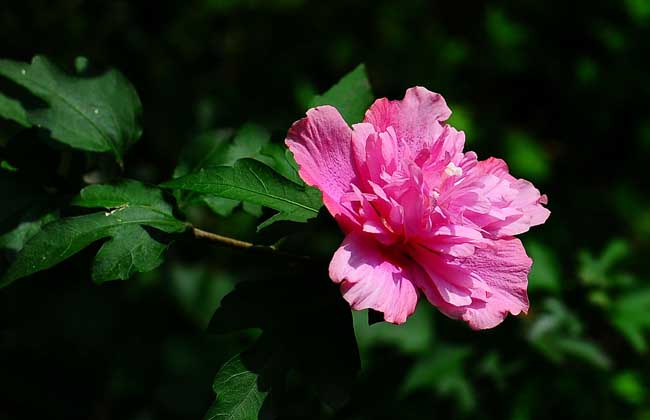
Hibiscus is a common garden shrub flower species, also known as white hibiscus, palm tree flower, big bowl flower, hedge flower, etc. It is a deciduous shrub or small tree of the genus Hibiscus in the mallow family, with brilliant colors, suitable for planting along roadsides, in parks, courtyards and other places, and can be planted alone, in rows or in masses. It grows quickly and has luxuriant branches and leaves. Let's take a look at the cultivation techniques for hibiscus below!
Growth habits of hibiscus
Hibiscus is mainly distributed in tropical and subtropical regions and originated on the African continent, where Hibiscus species are numerous and display rich genetic diversity. It has strong adaptability to the environment, is relatively tolerant of dryness and poor soil, and has no strict requirements for soil, especially preferring light and a warm, humid climate. It is slightly shade-tolerant, likes a warm, humid climate, tolerates pruning, and is both heat-tolerant and cold-tolerant, but cultivation in northern regions requires protection for overwintering. It likes water and moisture yet is also drought-tolerant, has no strict requirements for soil, and can grow even in heavy clay. It has strong sprouting ability.
Cultivation value of hibiscus
1. Landscaping: Hibiscus is an important flowering shrub for summer and autumn. In the south it is mostly used as a flower hedge or green hedge, while in the north it is used as a courtyard accent and as an indoor potted plant. Hibiscus has strong resistance to harmful gases such as sulfur dioxide and chlorides, and also has a strong dust-retention function, making it a major greening tree species for polluting factories.
2. Edible: Hibiscus has extremely high nutritional value, containing protein, fat, crude fiber, as well as reducing sugars, vitamin C, amino acids, iron, calcium, zinc, etc., and the flower buds contain flavonoid active compounds. Eaten, it has a crisp texture, and fully bloomed hibiscus is smooth and refreshing to eat. Hibiscus juice made from hibiscus flowers has a health-promoting effect of quenching thirst and refreshing the mind, and patients with high blood pressure who often eat plain hibiscus soup dishes experience a good dietary therapeutic effect.
3. Medicinal: The flowers, fruits, roots, leaves and bark of hibiscus can all be used as medicine, with effects of preventing and treating viral diseases and lowering cholesterol. The flowers contain saponarin, isovitexin, saponins, etc., and have a certain inhibitory effect on Staphylococcus aureus and Salmonella typhi. They can treat intestinal wind diarrhea; taken internally they treat nausea, dysentery, rectal prolapse, vomiting blood, bloody stool, mumps, excessive vaginal discharge, etc., and applied externally they can treat sores, boils and swellings.
Propagation methods for hibiscus
1. Division: For hibiscus division, before sprouting in early spring, dig up vigorous adult clumps, take 3 main branches as 1 clump, and plant at a spacing of 50×60 cm between plants and rows.
2. Cuttage: Hibiscus cuttage can be carried out from mid-March to early April in combination with pruning and shaping. For open-air cuttage in red soil or sandy soil, the soil must be kept moist; at a temperature of 17°C to 20°C, it roots very easily.
3. Sowing: Hibiscus sowing propagation is generally carried out in April in spring. After the fruit matures in October, November to December is the most suitable time to collect seeds. After collection, extract the seeds and store them dry at low temperature, then drill-sow or broadcast-sow in April of the following spring.
4. Layering: Hibiscus branches root very easily. Before sprouting in spring, dig a shallow trench beside the mother plant, lay 1-year-old branches horizontally into the small trench, cover with soil, and keep the soil in the layering trench moist; they will root and send out shoots very quickly.
Cultivation techniques for hibiscus
1. Transplanting: Hibiscus can be transplanted in both spring and autumn. Bare roots can be dipped in mud slurry, and some branch tips should be appropriately pruned; it survives very easily. When planting, base fertilizer should be applied in the planting hole, generally compost or decomposed barnyard manure mixed with a small amount of compound fertilizer; no further fertilization is needed afterward.
2. Fertilizing: During hibiscus cultivation, in order to increase flower yield and quality, before flowering in summer, topdressing should be applied to weaker trees, using compost mixed with an appropriate amount of compound fertilizer and applied at the base in combination with weeding and earthing up.
3. Watering: During hibiscus cultivation, pay attention to drainage and waterlogging prevention in the rainy season. During the flowering period, if drought occurs, attention should be paid to irrigation. In late autumn, late-autumn shoots, overly dense branches, weak branches and dead branches should be pruned away to facilitate ventilation and light penetration, maintain plant shape and prevent cold for overwintering.
4. Pruning: For hibiscus planted as hedges or walls, shaping and pruning should be carried out 2 to 3 times before spring sprouting and during the growing period. For scattered garden plantings, cut back the trunk in the spring of the second year after planting to promote branching at the base, so that 2-year-old seedlings can be trained into an ideal tree shape.
5. Earthing up: During the hibiscus growing period, weeding and earthing up should be carried out 2 to 3 times. Carry out the first earthing up before seedlings sprout in spring, and carry out the second earthing up in combination with weeding when the branches have grown their 4th to 5th leaves after leaf expansion.
6. Insect pests: The main insect pests of hibiscus include red spiders, aphids, bagworm moths, noctuid moths, longhorn beetles, etc. When pests and diseases occur, diseased and pest-infested branches can be cut off, and safe, efficient, low-toxicity pesticides can be selected for spray control or trapping. Attention should be paid to early control, and pesticide application should be avoided during the flowering and harvest period to ensure that harvested hibiscus flowers are not contaminated by pesticides.
7. Diseases: Hibiscus commonly suffers from leaf spot and rust. Spray with 65% zineb wettable powder at 600 times dilution. Insect pests also include whiteflies and scarab beetles, mainly aphids, as well as inchworms and leaf-rolling moths, which can be killed by spraying with 40% omethoate emulsifiable concentrate at 1000 times dilution. An environmentally safe insect-killing method is diluted detergent.