A Complete Analysis of Rosemary's Floral Meaning and Moving Legends
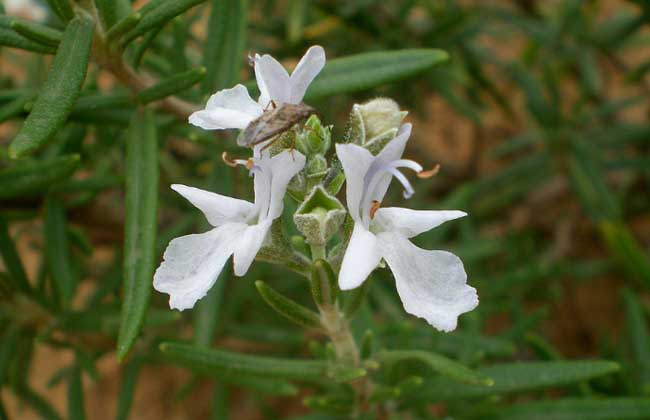
Rosemary, also known as dew of the sea and tansy, is a shrub plant of the genus Rosmarinus in the Lamiaceae family. It is native to Europe and the Mediterranean coast of North Africa, and is mainly cultivated as a cash crop in southern Europe. It was introduced to China during the Cao Wei period, and is now mainly grown in most parts of the south and in Shandong. Let's take a look at rosemary's floral meaning and legends together!
Rosemary's Floral Meaning
1. Remembrance: Rosemary is defined as a symbol of love, fidelity and friendship, and its floral meaning is remembrance, wiping away the sorrow of memories. I will not forget the promise you gave me. Please keep your love for me forever, miss me and think of me.
2. Commemoration: Italians throw small sprigs of rosemary into the grave of the deceased at funeral ceremonies, representing respect and remembrance for the dead. In Victorian-era England, rosemary's floral meaning carried the sense of commemoration, symbolizing lasting love, steadfast friendship and eternal remembrance.
Rosemary's Legends
1. Legend has it that rosemary's flowers were originally white. On the way when the Virgin Mary fled to Egypt with the infant Jesus, the Virgin once hung her mantle on a rosemary tree, and from then on rosemary's flowers turned blue.
2. Rosemary's scent was bestowed by Jesus. When Jesus fled from Judea to Egypt with the Virgin Mary, he once draped his clothes over rosemary, so it gained a fragrant and noble aura and possessed divine power, and was planted all around churches.
3. It is said that when Jesus was fleeing from King Herod of Judea to Egypt, he once hung his washed clothes on a rosemary bush, and Jesus' power was bestowed upon rosemary. Just as Chinese people hang mugwort on their doors during the Dragon Boat Festival to seek good fortune and avoid misfortune, Westerners also hang rosemary at Halloween, and believers regard it as a sacred offering.
Rosemary's Value
1. Industrial: Rosemary is a precious natural aromatic plant, and during its growing season it emits a fresh fragrance with the effect of refreshing the mind and lifting the spirits. Its stems, leaves and flowers have a pleasant scent. The aromatic oil extracted from the flowers and tender branches can be used to blend air fresheners, perfumes, soaps and other cosmetic ingredients. The most famous lotion is made with rosemary, and it can also be used in beverages, skin care oils, hair growth agents and laundry creams.
2. Medicinal: Rosemary has sedative and calming effects and helps clear the mind, and has a certain therapeutic effect on indigestion and stomach pain. It is mostly crushed, soaked in boiling water and then drunk, 2 to 3 times a day, which can produce sedative and diuretic effects. It can also be used to treat insomnia, palpitations, headaches, indigestion and many other conditions. External use can treat trauma and arthritis, and it also has effects such as strengthening the heart, promoting metabolism and promoting blood circulation in peripheral blood vessels.
3. Culinary: Rosemary has a fairly strong astringent effect, regulates oily skin, promotes blood circulation, stimulates hair regrowth and improves hair loss (pregnant women should not consume it). In Western cuisine, rosemary is a frequently used spice, especially in dishes such as steak and potatoes as well as baked goods. It has a clear, sweet aroma and flavor with a pine-like note, a rich fragrance, and a sweet taste with a hint of bitterness.