Growing vegetables and flowers on the balcony attracts lots of flying insects? Here are a few tricks to solve it cleanly and thoroughly
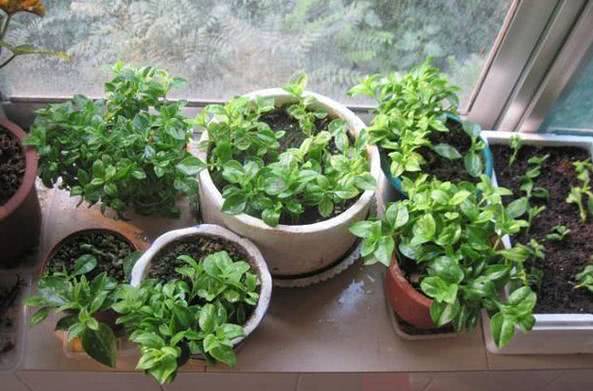
Gardeners who grow vegetables fear tiny bugs the most. Spraying pesticides is not an option, since they are looking forward to feasting on green vegetables. But if you do not treat the problem, it is the bugs' turn to feast... Many bugs can also spread diseases, and if plants catch sooty mold or the like, they are in real trouble!
“
Flying insect control
”
Causes
There are mainly 2 causes of pest problems. One is eggs brought in by the original soil. When planting flowers and plants, if the soil has not been disinfected and sterilized, bugs will appear later. Before planting flowers and plants, the soil should be dried in the sun, which can kill most of the eggs. In addition, well-rotted soil has a lower chance of pest problems than soil that is not fully rotted.
The second is poor ventilation in the growing environment, with long-term darkness and dampness and no sunlight. Most bugs like damp environments. If it is damp and unventilated for a long time, it is very easy for pests to appear. Just as bugs are generally easy to find in dark corners, pests are usually hard to grow in bright, ventilated places!
Small insect-proof mesh netting
Installing small mesh netting is a good choice. Clean up the bugs inside the netting, and it is hard for bugs outside the net to get in. Mesh netting not only prevents insects, but for vegetables grown on an open balcony, it is also highly effective against birds!
Sticky insect boards
Most bugs are phototactic and are naturally attracted to light of certain colors. Yellow light is a color many bugs like. Yellow sticky boards rely on yellow reflection to attract insects, and once they stick, they cannot get away. There are also traps and trap lights that use sex pheromones to lure and kill bugs, which you can also choose.
Plastic bags
The fruits of melons, fruits and solanaceous plants stand out especially among green leaves, making them easy targets for fruit flies, insects and birds. Once pecked, the fruit is prone to rot, and all your growing effort is wasted. But the bottom of the plastic bag should have small holes to prevent water accumulation and rot!
Washing powder water
Take 2 g washing powder and 500 g water to make an aqueous solution, add one drop of clear oil, and spray it on the insect bodies. It can kill pests such as aphids, scale insects and red spider mites. For plants with tuberous roots or other fleshy root systems, a 1000-fold dilution of washing powder can be poured into the roots for control.
Dish soap water
Take 5-10 ml dish soap and 1000 ml water, add one drop of clear oil, and spray it on the insect bodies on the plants. It can control aphids, spider mites, scale insects and the like.
Chili water
Take 50 g facing-heaven chili, add 10 times the water, boil for 20 minutes, then filter. Spray the filtrate on the insect bodies. It can control pests such as aphids, red spider mites and stink bugs, and when poured into the soil it can control soil grubs.
White vinegar water
Take an appropriate amount of white vinegar or rice vinegar, dilute it 150-200 times, and spray it on the surface of the insect bodies. The acetic acid in rice vinegar can control powdery mildew, black spot and downy mildew.
Baking soda water
Take 5 g baking soda (also known as sodium bicarbonate), add about 1000 g water, and make a 0.5% concentration solution. Spray it on the plants to control powdery mildew.
Potassium permanganate water
Potassium permanganate solution can control flower powdery mildew. At the early stage of the disease, spray with a 0.1%-0.2% solution, about once every 7 days, for 2-3 consecutive sprays, and the effect can reach more than 92%. (Be careful not to touch the solid potassium permanganate directly with your hands)
Garlic water
Take 30 g garlic cloves, mash them, add 500 g water, stir evenly, filter, and spray the filtrate on the leaf surface, once a day, for 3-4 consecutive sprays. You can also use a brush or toothbrush to apply the garlic liquid directly on the surface. It can prevent rose powdery mildew and black spot. Sprinkled into the potting soil, it can kill earthworms, ants and nematodes.
Tobacco shred water
The nicotine and tar components in tobacco have a strong contact-killing effect on pests. Find some cigarette butts that still have tobacco shreds, open them up, add 500 g water, soak for 24 hours, then filter, and spray it on leaf surfaces with pests. If you want to enhance the effect, add a little washing powder or dish soap and mix it in.
These small methods
Solve the big problem of pests
Show this to gardeners who need it!