White tea is pleasant to drink and good for health, and drinking it regularly brings many benefits to the body
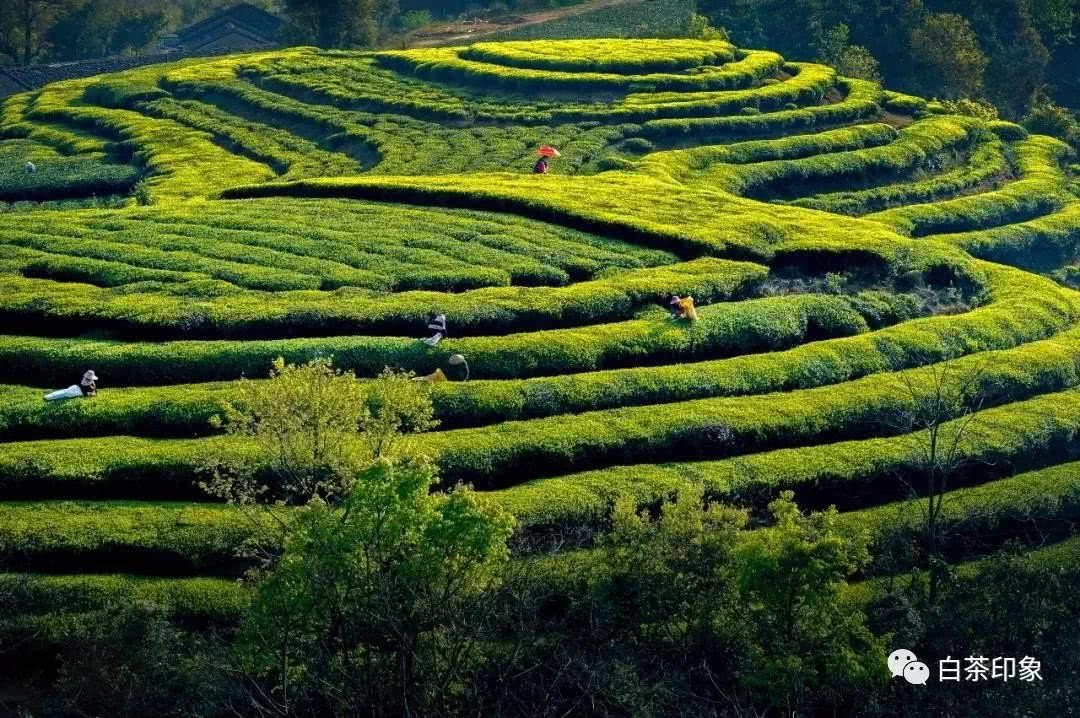
Fuding white tea is one of China's six major tea categories, a lightly fermented tea that does not undergo fixation (kill-green) or rolling.
White tea has a sweet, fresh and mellow taste, a fresh and elegant aroma, a light and plain liquor color, and silvery, bright leaves; because its processing method is simple, it retains the most of the tea leaf's own flavor.
The taste of Fuding white tea is distinctive, and ordinary tea drinkers may not quite take to it; however, those who know how to appreciate the flavor of white tea are all deeply drawn to it.
In the "Seven Matters" chapter of Lu Yu's The Classic of Tea from the Tang Dynasty, it is recorded: "Three hundred li east of Yongjia County there is White Tea Mountain." This proves that white tea had already appeared long ago in what is now the Fuding area of Fujian. And because the production process of white tea is relatively traditional and simple, some experts believe that white tea appeared much earlier than green tea. Fuding is located in the northeastern part of Fujian Province, backed by mountains and facing the sea, with an average altitude of about 600 m, an average temperature of 18.4°C, and an average annual sunshine duration of 1621.7 hours.
The leaves of the tea plant varieties grown in Fuding are relatively plump and strong, so the flagship product is Fuding Baihao Yinzhen (Silver Needle). Compared with other tea categories, the process of white tea appears much simpler: no rolling, no fixation, no fermentation; the main tea-making step is withering.
Although withering is an important step in making white tea, the other steps are equally important; carelessness in any single step will have a great impact on the quality of the finished tea.
The production process of white tea is divided into the following steps:
Picking fresh leaves, withering, drying, sorting and picking out, re-firing
Withering
Withering is meant to make the tea leaves lighter and softer, increase cell permeability, and promote chemical reactions among the substances contained in the tea leaves, thereby producing the tea's unique fresh fragrance.
Withering is further divided into sunlight withering and indoor withering.
Sunlight withering: spread the buds and leaves of white tea evenly on a sieve; when the weather is clear, drying them in the sun for one day is enough to reach 70-80% dryness; during drying, turn them as little as possible to avoid damaging the buds and leaves.
According to the traditional tea-making process, Fuding white tea uses sunlight withering; however, due to the development of technology, depending on different weather conditions, indoor heated withering is used as a supplement. If handled properly, it will not damage the flavor of white tea and can also prevent weather factors from affecting the quality of white tea.
Drying
The purpose of drying is to reduce the moisture content in the tea leaves, prevent the tea from fermenting and changing flavor, and at the same time enhance the tea's aroma.
When drying, put the tea leaves into a baking basket and bake them over charcoal fire at low temperature, letting the moisture slowly evaporate; while baking, also turn them carefully, ensuring both that the tea leaves are fully dried and that the tea leaves are not damaged.
The choice of charcoal is also very particular; the charcoal fire for baking white tea must contain no impurities, have no off odor, and not produce smoke. Hardwood charcoal or fruitwood charcoal is mostly chosen.
Sorting and picking out
Sorting and picking out means selecting out the yellowed and scorched leaves among the tea leaves, as well as other impurities, to ensure the tea leaves are clean.
When sorting and picking out, one must be sharp-eyed and quick-handed, ensuring both that the selection is clean enough and that the tea leaves are not broken or crushed.
Re-firing
Re-firing is meant to further dry the tea leaves, once again reduce the moisture content in the tea leaves, and improve the aroma.
Before re-firing, sometimes the tea is also blended and matched, then re-fired, and only finally packed into boxes.
New-process white tea
In order to meet the demand of the Hong Kong, China and Taiwan, China regions, in 1968 a tea factory in Fuding developed a new-process white tea.
What differs from traditional white tea is that new-process white tea adds a "rolling" step on the basis of the traditional white tea production process.
After light rolling, new-process white tea has an aroma with a hint of the rich fragrance of oolong tea, a somewhat stronger taste, and a liquor color leaning toward orange-red.
New-process white tea belongs to the mid-to-low-end products among white teas, but because of its unique characteristics, quite a few people prefer new-process white tea.
The health benefits of aged white tea
On the question of "whether white tea can be stored for a long time?", the tea world has always been debating.
In the national standard officially implemented on May 1, Article 8.4 clearly states that "the product may be stored for a long time", finally settling this long-standing debate.
Among the people, there has always been a saying: "one-year tea, three-year medicine, seven-year treasure."
The benefits of white tea are rich and varied, including relieving intoxication and sobering up, clearing heat and moistening the lungs, calming the liver and enriching the blood, reducing inflammation and detoxifying, lowering blood pressure and reducing fat, eliminating fatigue, preventing cancer, fighting cancer, preventing heatstroke, and treating toothache, and so on. Especially for discomfort and digestive dysfunction caused by excessive smoking and drinking, excessive greasiness, and excessive liver fire, it has a prominent health-protecting effect; in particular, aged white tea can also be used as an antipyretic for young children suffering from measles, and its fever-reducing effect is even better than that of antibiotics.
Here, a reminder to all tea friends: antibiotics must not be used indiscriminately; if antibiotics are overused and germs develop drug resistance, there will be no cure. White tea has so many benefits, so it is suggested that instead of keeping a full stock of medicines at home, it is better to keep white tea at home; it is not only pleasant to drink and thirst-quenching, but can also protect health.
When the temperature is high, the human body sweats more, consumes more, and is prone to fatigue. High temperatures can also cause disorder in the body's thermoregulatory function, and people will suffer heatstroke. White tea is cool in nature and has the effect of reducing fever and lowering internal heat. Keeping white tea on hand when the weather is hot can not only clear heat and relieve summer heat, but also eliminate fatigue.
When the temperature is low, people feel cold all over, with icy hands and feet; at this time warmth is especially needed, and drinking some hot tea appropriately can warm the stomach and the body. At this time, some aged white tea can be kept at home; after years of storage, its nature gradually turns warm, the tea taste is mellow and the aroma is rich, and some carries a faint herbal medicine fragrance; drinking it regularly can have the effect of keeping warm and dispelling cold and dampness.
To care for your family, you can often keep some Fuding white tea at home.