Pepper fertilizing tips: once you learn them, the branches will be loaded with fruit and you'll have something to eat every day
This is day 921 of Lan Yao's daily original articles
When it comes to peppers, I believe everyone is familiar with them; they are one of the vegetables we eat often. Many people also grow peppers on their own balconies or rooftops.
Lan Yao's home is in the countryside, and every year a few green pepper seedlings are planted in the fields. After a month or two of care, from the start of summer you can eat the green peppers you grew yourself, and keep eating them all the way into autumn. Growing your own green peppers is not just about saving money on vegetables; the main thing ispeace of mind about what you eat, with no worries about pesticide residues, hormones and other issues.
I wonder if you have ever grown peppers too? A while ago a gardening friend told Lan Yao that the peppers they grew at home would drop their flowers and not grow any peppers. So today Lan Yao will teach you a little pepper fertilizing trick to make your peppers hang all over the branches.The little fertilizing trick to make peppers hang all over the branches:When we grow peppers on a balcony or rooftop, we use pots to cultivate them. In fact, as long as potted peppers get enough light and enough fertilizer and water, they can also bear lots of peppers with no problem at all. Peppers grow quickly and bear many fruits, so their demand for fertilizer and water is very high. When growing peppers, we must pay attention to fertilizing.
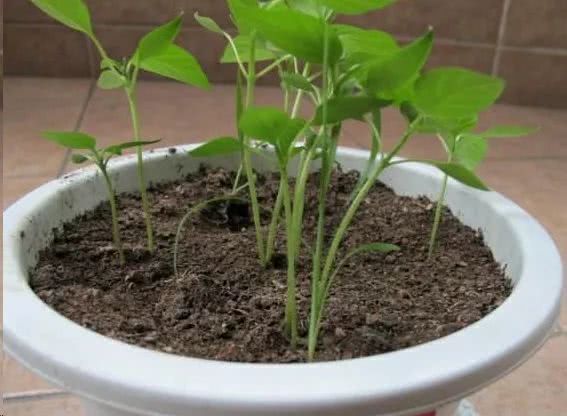
First, during the seedling stage, you should pay attention to topdressing. For pepper topdressing, organic fertilizer is the main choice, as it provides more comprehensive nutrition. You can shallowly bury fermented chicken manure or sheep manure around the edge of the pot, and once the seedlings grow a bit bigger, you can apply a quick-acting compound fertilizer.
When the peppers begin to branch and flower, at this time their demand for fertilizer and water will be even greater, so increase the amount of compound fertilizer used. Apply a nitrogen-phosphorus-potassium compound fertilizer once every 10 days, and at the same time you can shallowly bury fermented chicken manure around the edge of the pot, along with organic fertilizers and other nutrients. But remember that the fertilizer must not come into direct contact with the roots.
By the first harvest, another round of topdressing should be done. You can shallowly bury fermented organic fertilizer along the edge of the pot. Be careful, and the peppers can then get a lasting supply of fertilizer and will grow peppers one crop after another.
Pick them when you want to eat them, they are both fresh and safe. Whether it is bell peppers or facing-heaven chili peppers, the method is the same. When the small facing-heaven chili peppers grow in abundance and you cannot finish eating them, you can also dry them into dried chili peppers, which is also very good.
Lan Yao's past essential articles, recommended for you to study
How to view: official account homepage Lan Yao Library Essential Articles Monthly Rose Special Articles
365 days, helping you solve your flower-growing problems in this community
If you want to buy true-to-variety monthly roses, we have long since prepared them for you!