How to grow potted stock (Matthiola incana)? Care methods and precautions
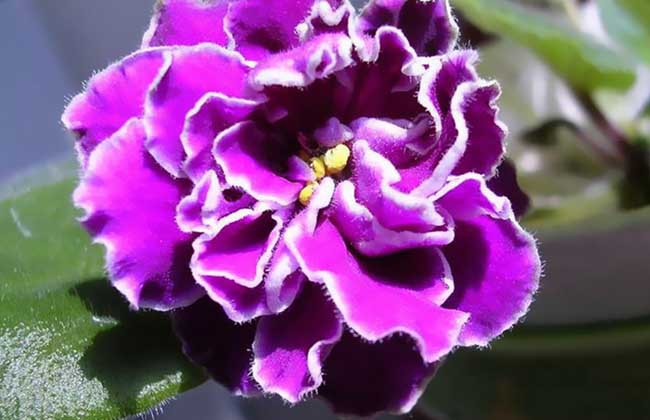
Stock, also known as gillyflower and stock, is a biennial or perennial herbaceous plant of the genus Matthiola in the Brassicaceae family. Its flowers are abundant, the colors are vivid, the fragrance is rich, the flowering period is long, and the inflorescences are also long, making it beloved by many flower lovers. It is suitable for potted ornamental display, for arranging flower beds, steps, and flower borders. Let's take a look below at how to grow potted stock!
Growth habits of stock
Stock prefers a cool climate and dislikes dry heat. It likes a well-ventilated environment. In winter it prefers a mild climate, but it can also tolerate a brief low temperature of -5°C. The suitable growth temperature is 15-18°C during the day and around 10°C at night. It is not strict about soil, but grows better in well-drained, neutral to slightly alkaline soil, and dislikes acidic soil. It is cold-resistant but not shade-tolerant, and fears waterlogging. It is suitable for growing in a relatively high position. During moldy rainy weather that is hot and poorly ventilated, it is prone to damage from pests and diseases. Fertilization should not be excessive, otherwise it is unfavorable for flowering. If light and ventilation are insufficient, it is prone to pests and diseases.
Propagation methods of stock
1. Cuttings: Stock propagation by cuttings is mostly carried out from April to June each year. Fine sand can be used as the propagation medium, and the cutting survival rate is very high, reaching more than 95%. Usually, stem tips 6-8 cm long are used as propagation material, and they are inserted in groups into flower pots containing fine sand, at a depth of about 1 cm. After cutting, spray water daily to maintain moisture. After about one month, the cuttings can grow lush roots, and at this time they can be transplanted separately.
2. Sowing: Stock usually has a one-year growth cycle. Sowing propagation can be carried out 2 times within a year. It can be sown in spring, or sown at the end of summer each year. Whether propagated by sowing in spring or at the end of summer, fertile, moist soil is required, and after sowing, the pot soil should be moistened by the soaking method, with the temperature kept at 15-20°C, preferably. After 10-15 days, they germinate and emerge.
How to grow potted stock?
1. Soil: Stock is not strict about soil, but grows better in well-drained, neutral to slightly alkaline soil, and dislikes acidic soil. The pot soil can be mixed with 2 parts humus soil, 2 parts garden soil, and 1 part river sand.
2. Watering: For stock, generally when the soil surface is dry and whitish, it should be watered immediately, alternating between wet and dry.
3. Sunlight: Stock likes sufficient sunlight, but is also slightly tolerant of semi-shade. If light and ventilation are insufficient, it is prone to pests and diseases.
4. Temperature: Stock likes a warm winter, cool summer, and well-ventilated environment. In winter it can tolerate a brief low temperature of -5°C, and dislikes dry heat. The suitable temperature for flower bud differentiation is 15°C.
5. Fertilization: During the growing season, fertilize stock once every 10 days. Nitrogen fertilizer should not be excessive; phosphorus fertilizer and potassium fertilizer should be applied. Stop fertilizing during the flowering period and in winter.
6. Pruning: After stock flowers, the spent flowers should be cut off, so that it can send out branches and bloom again. The flowering period begins in mid-April, and the second flowering occurs from June to July.