How to Grow Water Lily from Seed? Detailed Planting Method
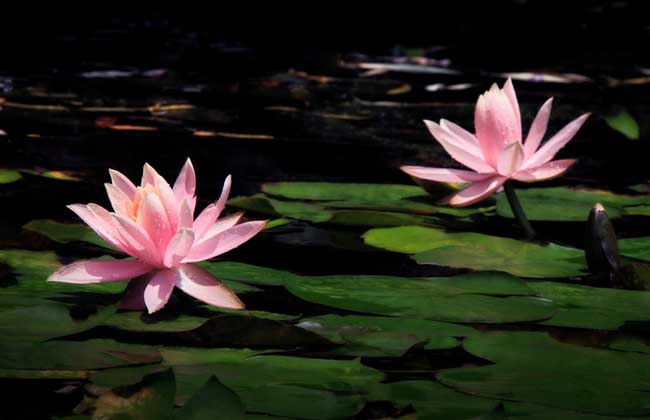
Water lily is a perennial aquatic herb of the genus Nymphaea in the family Nymphaeaceae. To collect seeds, wrap the flower in a gauze bag before the fruit matures, so that when the fruit splits the seeds fall into the bag. After harvesting, the seeds must still be stored in water; if stored dry, they will lose their germination ability. After sowing, they germinate in about half a month and can bloom the following year. Let's take a look below at how to grow water lily from seed!
Seed Treatment
Water lily seeds have a hard, dense shell, so before soaking the seeds you must make an artificial opening. One end of the lotus seed has a small pointed tip, and the other end has a small dimple. Rub the end with the small dimple on rough cement ground until it breaks open, or use pliers to crack a small opening, being careful not to damage the seed embryo and not to remove the shell. Be especially careful with your hands so you do not accidentally injure yourself.
Soaking Seeds to Promote Germination
In summer, a water temperature of 20-30°C is very suitable for water lily seed germination. Depending on the number of seeds, use a bowl or basin filled with water, just enough to submerge the seeds. Place it indoors, change the water twice a day, and germination can occur within 1 week. After sprouting, place it in a sunny spot, increase light exposure, and do not let it lack water. After 2 weeks, fine roots and 2-3 tender small lotus leaves grow. Once the leaves are the size of coins and the root system has formed, they can be transplanted separately.
Transplanting the Sprouted Seedlings
Choose a bottomless-holed ceramic pot or plastic flower pot with a diameter of 18-30 cm. Add half a pot of garden soil or river-pond mud free of chemical pollution, and add water to soak it two weeks in advance. Do not fertilize. When transplanting, press the fine roots of the small lotus seedling into the mud, one plant per pot. After transplanting, add an appropriate amount of water, just enough so the water does not submerge the small lotus leaves.
Planting Management
1. Soil: Water lilies require fertile clay loam rich in humus. Soil that is too heavy and sticky affects the elongation of the rhizome and the enlargement of the tuber, while loose soil is prone to wind damage and hinders root development; neither is good for water lily growth. The soil used is usually lake-pond mud, or you can mix 4 parts garden soil, 3 parts loess and 3 parts sandy soil thoroughly for use. The best soil pH is 6.5-7.5.
2. Light: Water lilies love strong light. Receiving 7-8 hours of light per day can give them more flower buds and continuous blooming. Avoid cultivating them in shady places, and even for indoor viewing when in bloom, it should not exceed the same day. Household potted water lilies must be placed on a balcony or in a courtyard, and at noon they should be moved to a cool place to avoid the scorching sun.
3. Temperature: Water lilies have strict temperature requirements. Generally they begin to sprout at 8-10°C, the rhizome begins to elongate at 14°C, and 25-30°C is the most suitable temperature for water lily growth and development. Weather with alternating rain and sunshine is especially favorable for plant growth.
4. Fertilizing: When potting water lilies, apply sufficient base fertilizer according to the size of the pot. One month after planting, apply a liquid fertilizer mainly of decomposed soybean cake water or human manure and urine once, at a concentration of 10%. After the standing leaves emerge, apply top dressing another 1-2 times, and during the flowering period apply superphosphate once every 7 days.
5. Water: In summer, temperatures are high and water lilies easily lose water, so at this time potted water lilies should be given water 1-2 times a day, which should be roughly the same temperature as the water in the pot, and the water quality should be kept clean. If the water is found to be turbid, change it. In late autumn and early winter, water lilies enter the dormant period, so it is not necessary to add water frequently; just keep shallow water in the tub or pot.