Hydroponic Aloe Vera Growing Methods and Precautions
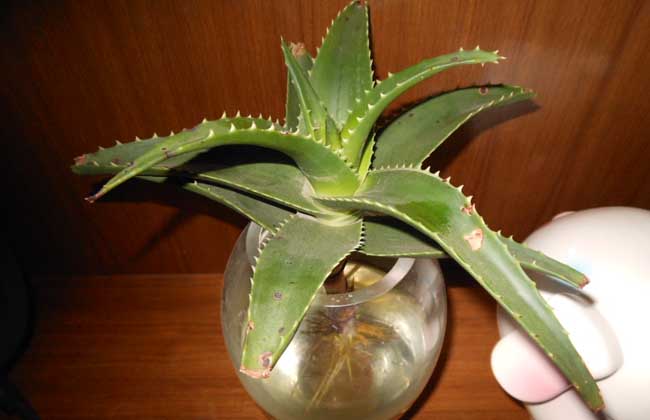
Aloe vera is a rising star among plants, combining edible, medicinal, cosmetic and ornamental uses in one, also known as Luhui, Nehui, Xiangdan and so on. It is a perennial evergreen herbaceous plant of the genus Aloe in the Liliaceae family, native to the Mediterranean and Africa. Its leaves are clustered, large and fleshy, arranged in a rosette or growing at the top of the stem. It is easy to grow and quite popular among the public. Now let us take a look at the hydroponic aloe vera growing methods!
Plant Selection
For hydroponic aloe vera, it is best to choose a small aloe with a compact plant shape, so that it will also be easy to keep its form in a vase. Cut from the roots of a potted mother aloe plant a plant with roots that is to be grown hydroponically; if the plant is small, it can be dug out whole. Remove diseased and rotten leaves, keeping only intact and healthy aloe.
Root Cleaning
For hydroponics, the roots of the plant must be washed clean and disinfected to ensure the conditions for successful hydroponic growth. Soak in clean water for 15 to 20 minutes and gently wash several times until there is no soil on the roots and no sediment in the water. After cleaning, soak in a 0.1% potassium permanganate solution (generally the prepared solution appears light purplish-red) for 15 minutes, then rinse clean with clean water.
Planting Method
For hydroponic aloe vera, to make planting easier, you can add some hydroponic substrate, small stones and so on to the bottle, which helps fix the aloe's root system. When placing the aloe in the vase, smooth out and spread the roots. Be careful not to let the whole plant be submerged in water. If you are worried about root rot, you can let the aloe roots just slightly touch the water surface. In addition, the leaf surfaces must not touch the water.
Care and Management
1. After planting, you can place the hydroponic aloe in a cool, ventilated place, and do not expose it to direct sunlight. To help the roots grow quickly, you can use black cloth to cover the lower half of the vase.
2. After the aloe has grown hydroponic roots and has adapted somewhat to the hydroponic environment, move the hydroponic container to a brightly lit place and switch to a foliage plant nutrient solution for long-term cultivation, replacing the hydroponic nutrient solution once every 15 to 30 days.
3. In summer, aloe has a brief dormant period. During dormancy, the cultivation container should be moved from a brightly lit place to a semi-shaded and ventilated place.
4. In winter, the cultivation container should be placed in a sunny spot indoors. A room temperature above 5°C is enough for it to overwinter safely. If you want the aloe plant to bloom, the winter room temperature needs to be above 10°C.
Precautions
1. When growing plants at home, people often pour tea water and rice water into flower pots. Do not do this when growing hydroponically. For hydroponic aloe, clean water is best. Pay attention to changing the water regularly, once every 2 to 3 days, promptly remove rotten roots and clean the container to ensure there is no odor in the water.
2. Aloe is a foliage plant and also has certain fertilizer requirements. After hydroponic aloe grows new roots in one month, you can switch to a foliage plant nutrient solution for long-term cultivation. Depending on the specific situation, you can change the nutrient solution once every half a month to once a month.