What to Do When a Snake Plant's Roots Rot? Teach You the Correct Way to Handle It
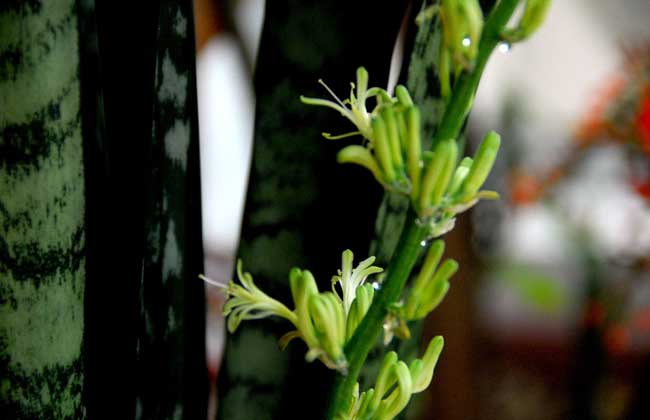
The snake plant (Sansevieria trifasciata) is a common indoor potted foliage plant, also known as mother-in-law's tongue, thousand-year plant, and so on. It is a perennial evergreen herbaceous plant of the genus Sansevieria in the Asparagaceae family, suitable for decorating studies, living rooms, bedrooms and other spaces for long-term appreciation. Although it is easy to grow, some flower lovers still run into the problem of snake plant root rot. Let's take a look below at what to do when a snake plant's roots rot!
Causes of Snake Plant Root Rot
1. Improper watering: Snake plant root rot is mostly caused by overwatering. Because its root system is extremely underdeveloped, it is often planted shallowly, and when some flower lovers water too much and the potting soil cannot evaporate the moisture in time, over time this leads to root rot. The correct way to water a snake plant is to water as little as possible, and to judge the amount of water based on the drainage condition of the potting soil, so as to avoid root rot to the greatest extent possible.
2. Pests and diseases: One situation in which snake plant roots rot is the appearance of disease. When newly planting a snake plant, the growing medium must be sterilized with high temperature or chemical disinfection. If the snake plant's roots rot or the stem base decays, promptly drench with 50% thiophanate-methyl, sulfur suspension concentrate at 700 times dilution, or 50% carbendazim wettable powder at 500 times dilution.
What to Do When a Snake Plant's Roots Rot?
1. For a snake plant whose roots have already rotted, clean off the rotted parts of the roots thoroughly. If conditions permit, sterilize with a fungicide such as carbendazim, then dry it in a shaded place and replant it to grow new roots (it is recommended to root it in cutting media such as plain sand, vermiculite + peat, etc.). You can also knock the snake plant out of the pot, gently remove the soil, cut off the rotted roots with clean sharp scissors, and preferably soak the roots in a 0.02-0.05% potassium permanganate aqueous solution for about 1 minute, then take them out, dip them in a little sulfur powder or plant ash, and let them dry.
2. If the snake plant's root rot is not severe, you can replace it with fresh growing soil and repot it, reduce the frequency of watering, and keep it in a semi-shaded place for care. Usually you can mist the leaf surface appropriately or gently wipe off dust with a damp cloth. After new roots sprout, return to normal watering, and you may apply 1-2 light fertilizer applications, waiting until new roots and new leaves grow.
3. If the snake plant's root rot is severe and the root ball has an off smell, you must wash off the old soil, cut off the rotted roots, and replant. Before planting, soak the roots in 800 times dilution potassium permanganate solution to prevent rot and promote rooting. The growing soil should be loose and well-draining. After planting, place it in a shaded place for one week to recover, and mist the leaves frequently. During this period, do not fertilize the roots. After new leaves unfold, switch to normal care.
How to Grow a Snake Plant
1. Soil: The snake plant is not strict about soil requirements and can be managed fairly extensively. It likes loose sandy soil and humus soil, and tolerates drought and poor soil. For potting, you can use 3 parts fertile garden soil, 1 part coal cinder, and add a small amount of soybean cake crumbs or poultry manure as base fertilizer. It grows very robustly, and even when the pot is completely filled it does not inhibit its growth. Generally repot once every two years, in spring.
2. Light: The snake plant grows well under conditions of sufficient light. Apart from avoiding direct scorching sun in midsummer, it should receive plenty of sunlight in the other seasons. If it is placed in a too-dark indoor spot for too long, the leaves will darken and lack vitality. However, an indoor potted plant must not be suddenly moved into sunlight; it should first adapt in a dark place to avoid the leaves being scorched. If indoor conditions do not allow it, it can also be placed in a spot relatively close to sunlight.
3. Temperature: The snake plant is native to western Africa and southern Asia, and is distributed in tropical Africa and India. Its optimum growing temperature is 20-30°C, and its overwintering temperature is 10°C. In winter, the temperature must not stay below 10°C for a long time either, otherwise the base of the plant will rot, causing the entire plant to die.
4. Water: Water the snake plant in moderation, following the principle of preferring dry over wet. Usually wipe dust from the leaf surface with clean water to keep the leaves clean and glossy. In spring, when new plants sprout at the root crown, water appropriately more to keep the potting soil moist. In the hot summer season, also keep the potting soil moist regularly. After late autumn, control the amount of watering and keep the potting soil relatively dry to enhance cold resistance. During the winter dormancy period, control watering, keep the soil dry, and avoid pouring water into the leaf clusters.
5. Fertilizer: The snake plant does not demand much from fertilizer. If only nitrogen fertilizer is applied for a long time, the markings on the leaves will become dull, so a compound fertilizer is generally used. Fertilization should not be excessive. During the peak growing season, apply fertilizer 1-2 times a month, in small amounts. You can use standard compost when repotting, and apply dilute liquid fertilizer 1-2 times a month during the growing season to ensure the leaves are green and thick. You can also evenly bury 3 holes of cooked soybeans in the soil at the edge of the pot, 7-10 beans per hole, taking care not to let them touch the roots. Stop fertilizing from November to March of the following year.