What are the cultivation methods for the Mistletoe Fig? A detailed guide
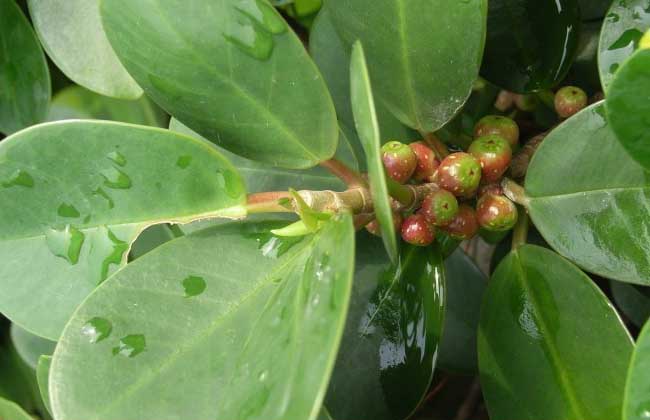
The Mistletoe Fig, also known as the round-leaf rubber plant, Indian rubber tree, etc., is an evergreen large tree of the genus Ficus in the mulberry family, with extremely high ornamental cultivation value. Medium and large potted plants are used for decoration and are widely used for greenery decoration in hotel courtyards, theater foyers, large shopping mall entrances, offices, etc. Indoors, they can be placed by the living room wall, in a corner, or on either side of the sofa. Let's take a look together below at the cultivation methods and precautions for the Mistletoe Fig!
Growth habits of the Mistletoe Fig
The Mistletoe Fig prefers a warm and humid environment and needs sufficient sunlight. It is relatively cold-tolerant and also shade-tolerant, and the soil should be fertile with good drainage. The winter temperature should not be lower than 5°C. Because the Mistletoe Fig grows relatively quickly, it needs repotting every spring, with added fertile soil, and pruning and shaping. During the growing period, fertilize once every half month, and avoid strong direct sunlight. In summer high temperatures, water more, and the leaves need frequent misting. In winter, it should be placed indoors with heating equipment, but do not place the pot too close to the radiator. In summer, when it exceeds 30°C, it can be moved to a ventilated room facing north.
Propagation methods for the Mistletoe Fig
1. Cuttings: The most suitable season for taking Mistletoe Fig cuttings is spring. One-year-old terminal or side branches can be used, generally with 2-3 leaves. To prevent the white sap from flowing out, after cutting the cuttings, dip them in plant ash or coat them with paint, and insert them into sand, vermiculite, or perlite. They can also be rooted in water. Keep the temperature at 25-30°C, and they will root in about 3 weeks.
2. Layering: To propagate the Mistletoe Fig by layering, first peel off a ring of bark from the stem, then wrap it with sphagnum moss or peat soil and keep it moist. After rooting in 3-4 weeks, cut it away from the mother plant and plant it separately. For potting soil, a mix of 1 part peat soil, 1 part garden soil, and 1 part river sand is sufficient, with cake fertilizer etc. applied as a base fertilizer.
Cultivation methods for the Mistletoe Fig
1. Light: The Mistletoe Fig is a subtropical plant and likes a sunny, well-ventilated, warm and humid environment. It is drought-tolerant and tolerant of partial shade. Generally, it should be placed in a ventilated and well-lit place with a certain amount of spatial humidity. If sunlight is insufficient, ventilation is poor, and there is no certain spatial humidity, the plant may turn yellow and dry out, leading to pest and disease problems, and eventually death.
2. Watering: Water the Mistletoe Fig according to the wetness or dryness of its soil, keeping the soil moist, and water until water seeps out of the drainage hole at the bottom of the pot, but do not give only a half watering. After watering once, wait until the soil surface turns pale and the topsoil is dry, then water a second time. Never wait until the entire pot of soil is completely dry before watering. In hot seasons, frequently mist the leaves or the surrounding environment to lower the temperature and increase air humidity. Water less often in winter and spring, and more often in summer and autumn.
3. Fertilizing: Fertilizing the Mistletoe Fig can be done together with watering, for example, in summer using soaked liquid of cake fertilizer (sesame paste residue), organic fertilizer, etc. In summer, if the Mistletoe Fig is placed outdoors, it can receive rain and dew, and there is no need to worry about the acidity or alkalinity of the water. In winter, more attention is needed, because tap water is weakly alkaline. Generally, after every 2-4 waterings with tap water, using a diluted soak of orange peel once is better.
Precautions for the Mistletoe Fig
1. The Mistletoe Fig prefers a warm and humid environment and a well-ventilated environment. It needs sufficient sunlight, is relatively cold-tolerant, and is also shade-tolerant. The soil should be fertile with good drainage, and the winter temperature should not be lower than 5°C.
2. The Mistletoe Fig grows relatively quickly, so it needs repotting every spring, with added fertile soil, and pruning and shaping. In summer high temperatures, water more, and the leaves need frequent misting. During the growing period, fertilize once every half month.
3. In summer, when the temperature exceeds 30°C, the Mistletoe Fig can be moved to a ventilated room facing north.
4. In autumn and winter, the Mistletoe Fig may drop leaves in some places. This is normal, and in the following spring it will still sprout and grow new leaves.