How to Grow Hydroponic Mint? Care Methods and Precautions
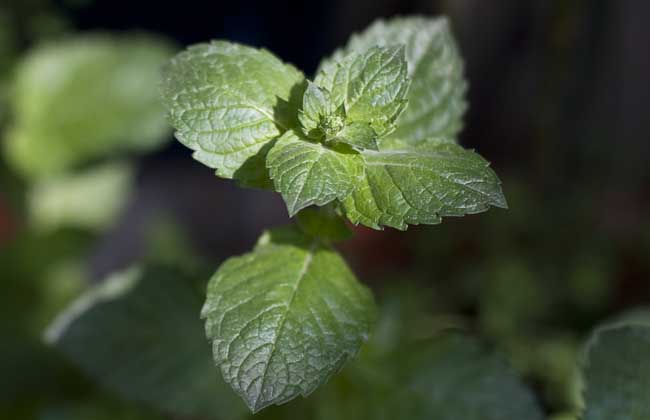
Mint is an aromatic crop with special economic value, also known as wild mint, night-rest fragrance, etc. It is a perennial herbaceous plant of the genus Mentha in the Lamiaceae family. The plant is green and aromatic, with opposite leaves, small light purple labiate flowers, and after flowering it produces small dark purple-brown seeds. It mostly grows in mountain wetlands and by rivers, with rhizomes creeping underground. Let's take a look below at how to grow hydroponic mint!
Mint's Growth Habits
1. Temperature: Mint has strong adaptability to temperature. Its rhizomes overwinter and can withstand low temperatures of -15°C. Its optimal growth temperature is 25-30°C. When the temperature is below 15°C, growth is slow; when above 20°C, growth accelerates. At 20-30°C, as long as water and fertilizer are suitable, the higher the temperature, the faster the growth.
2. Light: Mint is a long-day crop and prefers sunlight. Long daylight hours can promote mint flowering and are beneficial for the accumulation of mint oil and menthol.
3. Soil: Mint is not very demanding regarding soil. Except for overly sandy, overly clayey, excessively acidic or alkaline soils, and low-lying poorly drained soils, it can generally be grown in most soils, with sandy loam and alluvial soil being best. The suitable soil pH is 6-7.5.
Hydroponic Methods for Mint
1. Prepare an empty cup, either plastic or ceramic, and fill it with tap water.
2. Cut a somewhat longer branch from the mother mint plant. You can let it sit for 12 hours to let the wound dry, then insert it into sand, or you can place it directly in water for hydroponic culture.
3. Choose spring or summer when the temperature is higher and warmer for hydroponic culture, as this makes rooting easier. Generally, when grown hydroponically in summer, roots begin to grow in just over a week.
How to grow hydroponic mint?
1. Plenty of sunlight: Mint has considerable demand for both sunlight and water, so when growing mint it should be placed in a location with ample light. Leaving it in a shaded place with weak light for a long time is not conducive to normal photosynthesis, is bad for leaf growth, and reduces the number of roots. Placing the hydroponic mint bottle in a well-lit spot once every two days is enough to meet its light needs for growth.
2. Change water in time: There is no need to change the water too frequently; usually once a week is sufficient. If the base water in the bottle decreases, you can add an appropriate amount of water, but never fill it too full. At the same time, you can add an appropriate amount of nutrient solution to the water to ensure sufficient nutrients for mint growth.
3. Spray water to maintain moisture: Although mint is grown hydroponically, the leaves still need to be sprayed with water to maintain moisture, generally twice a day. Use a small spray bottle, and do not spray too much water; mist-like water is more easily absorbed by the leaves.
Precautions for Hydroponic Mint
1. If leaves turn black during hydroponic culture, promptly remove the black leaves. There is no need to worry about removing leaves from herbaceous plants; in fact, the more you pick, the more vigorously they tend to grow.
2. When changing the base water, wash the roots at the same time and remove any leaves that have already rotted in the water, to keep the base water and the plant clean and healthy.
3. Whether grown hydroponically or in soil, mint grows very quickly, so you can divide the mother plant by breaking off one branch into two and continuing to grow them hydroponically or in soil.