How to grow potted Anthurium andraeanum well? Care methods and precautions
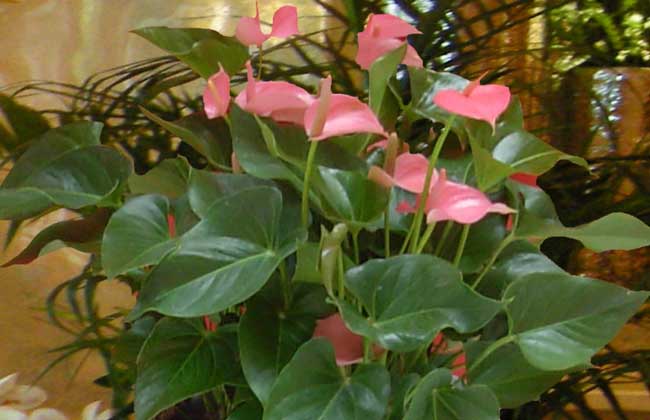
Anthurium andraeanum is a famous and high-quality flower with great development prospects, also known as Pink Champion, Anthurium, flamingo flower, etc. It is a perennial evergreen herbaceous flower of the genus Anthurium in the tribe Anthurieae of the family Araceae. Its flowers are unique, and the spathe is bright and gorgeous, rich in color, highly variable, and has a long flowering period. A single flower in hydroponics can bloom for 2 to 4 months. Now let us take a look at how to grow potted Anthurium andraeanum well!
Growth habits of Anthurium andraeanum
1. Temperature: The most suitable growth temperature for Anthurium andraeanum is 20-28°C. The maximum temperature should not exceed 35°C; if the temperature is too high, growth will be poor. The minimum temperature is 14°C; below 10°C, there is always a possibility of cold damage.
2. Humidity: The most suitable relative air humidity for Anthurium andraeanum is 70-80%, and it should not be lower than 50%. When humidity is low, the leaf surface and spathe become rough, with poor glossiness and low ornamental value.
3. Light: The most suitable light intensity for Anthurium andraeanum is 10000-20000 Lux. It must never be exposed to full light at any time, including winter. It is suitable for cultivation under appropriately shaded weak light throughout the year. Strong light will scorch the leaves and affect the normal growth of the plant.
How to grow potted Anthurium andraeanum?
1. Soil: When cultivating Anthurium andraeanum, it is advisable to use soil that is loose, breathable, well-drained, and able to retain water and fertilizer. It is best if the soil contains a certain amount of nutrients. You can choose leaf mold or peat soil mixed with some perlite or coal cinder and base fertilizer to make nutrient soil. Some broken bricks can be added to the bottom of the pot to help drainage.
2. Watering: Anthurium andraeanum likes moisture and fears drought, so the soil should often be kept moist. In summer, water according to the degree of soil dryness and wetness, about once every one to two days. Never allow water to accumulate in the pot, as this may damage the roots. Especially in winter, watering should be reduced; if there is too much water, the root system will rot. Slightly acidic water is best, and water with a pH between 4.5 and 5 can be used. In dry seasons, the plant should also be misted with water.
3. Light: Anthurium andraeanum is a shade-loving plant. It is best placed in a shaded area, but it should not be completely unable to receive any light source, as this will cause the plant to lack colored light. When in sunlight, it should be given a certain amount of shading so that it is not fully exposed to the sun. However, when the sunlight is weak in winter, there is no need to shade it, and it can be placed in the sun with confidence.
4. Temperature: Anthurium andraeanum likes warmth and fears cold, so in summer high temperatures should be prevented and in winter cold damage should be prevented. The suitable growth temperature is 19-25°C. Below 13°C, the plant enters dormancy and should be placed indoors or wrapped in plastic bags to prevent cold damage. When the temperature is above 32°C, growth stops. Generally, when the temperature is above 25°C, windows should be opened for ventilation to alleviate the adverse effects of high temperatures.
5. Fertilization: Fertilizer can promote the growth of Anthurium andraeanum. When fertilizing, you can choose liquid fertilizer or a compound fertilizer with a nitrogen-phosphorus-potassium ratio of 1:1:1. Fertilize about once every 7-12 days. It is best to fertilize in the morning or evening for better results. Alternatively, regularly apply fertilizer water, which means adding one or two drops of fertilizer liquid to the water when watering. For fertilizer water, once every three days is generally enough, but only one fertilization method can be chosen, not both.
6. Pests and diseases: Common diseases of Anthurium andraeanum include leaf blight, root rot, etc. For leaf blight, use a small spray bottle to spray fungicides such as mancozeb and Junduqing for control, once about every month. Common pests mainly include termites, aphids, etc. When there are not many, they can be removed with a brush, a writing brush, or a damp cloth.
Precautions for Anthurium andraeanum
1. When potting Anthurium andraeanum, the flower pot should not be too large. It should be suitable for the size of the plant. If it is too large, the soil will not dry for a long time after watering, thereby damaging the root system.
2. When potting Anthurium andraeanum, do not let water accumulate in the pot. It is best to keep the soil moist, and do not water too frequently.
3. When it is cold in winter, it should be placed indoors. When it is too hot in summer, it should not be placed in the sun.
4. Do not water at night in winter, because the temperature difference between day and night is large. Watering at night, as the temperature drops, may freeze and damage the rhizome.
5. Anthurium andraeanum must be repotted in a timely manner to avoid affecting plant growth. If changing to a ceramic pot, the new pot needs to be soaked in water for one or two days before use.
6. When potting Anthurium andraeanum, avoid damaging the root system when repotting.