How to Grow and Care for Potted Mint
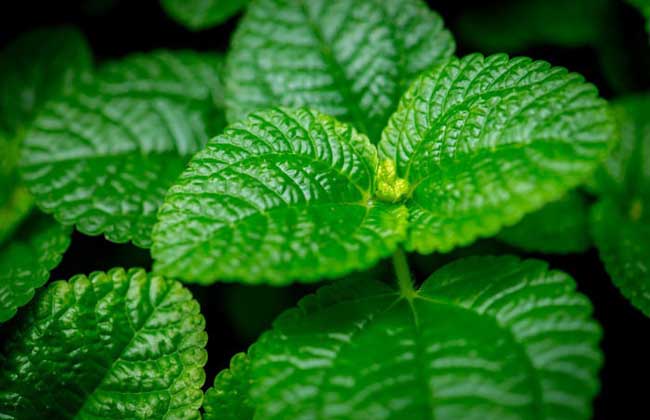
Mint, also known as southern mint, night-breathing fragrance, water mint, etc., is a general term for perennial herbaceous plants with creeping rootstocks in the Lamiaceae family, genus Mentha. It is native to Europe and the Mediterranean coast, and is now cultivated all over the world. Its stems and leaves are mainly used to extract essential oil as a natural fragrance. Let's take a look below at how to grow potted mint!
The Growth Habits of Mint
Mint is a shallow-rooted plant, with most of its rhizomes concentrated in the top 15 cm or so of the soil layer, and a horizontal spread of about 30 cm. Both the rhizomes and the aboveground stems have strong sprouting ability, and are used in production as material for asexual propagation. It has strong adaptability to environmental conditions and can grow in areas below 2100 m in altitude. However, it prefers a sunny, warm and humid environment. The rhizomes sprout and emerge at 5-6°C, the suitable temperature for plant growth is 20-30°C, and the underground rhizomes can still overwinter safely at -30 to -20°C.
Propagation Methods for Mint
1. Rhizome propagation: Cultivate seed roots in late April or late August. In the field, select robust plants free of pests and diseases as mother plants, and plant them at a spacing of 20×10 cm. After harvesting the aboveground stems and leaves in early winter, the rhizomes are left in place as seed stock.
2. Division propagation: When mint seedlings are about 15 cm tall, thin and fill in the seedlings. Use the thinned seedlings for division and transplanting.
3. Cutting propagation: In May and June, cut the aboveground stems and branches into 10 cm long cuttings, and insert them in a prepared seedbed at a row spacing of 7×3 cm for rooting. After rooting and sprouting, transplant them to the field for cultivation.
How do you grow potted mint?
1. Soil: Mint is not very strict about soil requirements. Except for overly sandy, overly clayey, excessively acidic or alkaline soils, and low-lying soils with poor drainage, it can generally be grown in ordinary soil, with sandy loam and alluvial soil being preferable. The suitable soil pH is 6-7.5.
2. Watering: Mint likes a moist soil environment and is fairly tolerant of moisture. Especially during the growing period, the soil should be kept moist, but the amount of water must not be too large, and waterlogging is strictly forbidden. When watering normally, maintain the habit of “do not water until dry, and water thoroughly when you do.” If rice-washing water is used, it will be even more beneficial to mint growth. In winter, reduce the frequency and amount of watering.
3. Sunlight: As a potted plant, mint is generally grown in a semi-shaded environment, that is, with diffused light rather than direct sunlight. If grown on a balcony, it can be placed at the base of a wall on the side facing away from the sun, so that part of the sunlight is blocked. If grown indoors, it is best to place it 3-5 m away from a sunny balcony so that it receives diffused light.
4. Temperature: Mint has strong adaptability to temperature. Its rhizomes overwinter in place and can withstand low temperatures of -15°C. The most suitable temperature for its growth is 25°C-30°C. When the temperature is below 15°C, growth is slow, and when it is above 20°C, growth speeds up. At 20°C-30°C, as long as water and fertilizer are suitable, the higher the temperature, the faster it grows.
5. Fertilizer: Growing mint requires fertilizer, and mint likes fertilizer. During its growing period, apply fertilizer once a month, mainly nitrogen fertilizer, with an appropriate application of phosphorus and potassium fertilizer. If the stems and leaves need to be harvested during the growing period, topdress at the time of harvest to help the plant restore a good plant shape.