What to Do When Bamboo Leaves Turn Yellow? Causes and Solutions
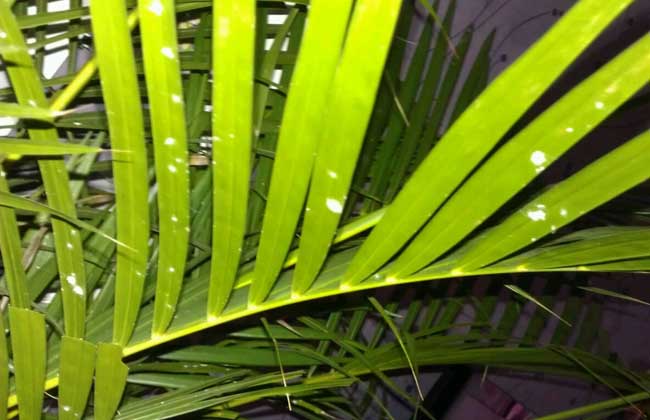
Bamboo (Fengweizhu) is a variant of hedge bamboo (Bambusa multiplex), a plant in the grass family (Poaceae), genus Bambusa. It is suitable for planting at wall corners, house corners and beside doors in courtyards. Smaller plants can be grown on flower terraces or made into bamboo bonsai, and they are also planted in temple courtyards. In southern regions they are also widely used as low hedge planting material. Let's take a look below at what to do when bamboo leaves turn yellow!
Sunlight Exposure
Bamboo likes a semi-shaded environment. If the sunlight is too intense, it will speed up the evaporation of water from the leaves, causing the leaves to wither and turn yellow. But if the bamboo is placed in a shaded environment with no light for a long time, it will lack chlorophyll, causing the leaves to turn yellow or even drop. A semi-shaded spot by a window has plenty of light, no intense direct sunlight and good ventilation, so the bamboo should be moved to a semi-shaded spot. Generally, in spring, autumn and summer, keep the bamboo in a ventilated spot by a window, and in winter keep it in a sunny spot.
Lack of Nutrients
If the bamboo lacks nutrients during growth, especially if fertilizer is not applied, the young leaves will also turn pale yellow. In this case, apply fertilizer appropriately and water. A lack of phosphate fertilizer in the soil, or too much fertilizer, will both cause the bamboo leaves to wither and turn yellow; if phosphate fertilizer is lacking, just supplement it.
Long-Term Fertilizer Depletion
If no nitrogen fertilizer has been applied for a long time, or the pot and soil have not been changed, and the soil lacks nitrogen and other nutrients, the branches and leaves become weak and the leaves thin and yellow. The pot should be turned out promptly, replaced with fresh loose fertile potting soil, and gradually given dilute decomposed liquid fertilizer or compound flower fertilizer. Excessive fertilization: too much fertilizer causes new leaves to be thick and fleshy with many bumps and hollows, while old leaves dry at the tips, turn scorched yellow and drop. Stop fertilizing immediately, increase watering so the fertilizer flows out through the drainage holes at the bottom of the pot, or immediately turn out the pot, rinse the root ball with water and replant it in the pot.
Water
When bamboo lacks water, the leaf edges or tips dry out and turn yellow, and the leaves may even drop. At this point, water the bamboo promptly, but do not overwater; watering thoroughly once to keep the potting soil moist is enough. Overwatering causes root rot, with leaves turning a watery yellow; loosen the soil and let the moisture dry out. If the leaves are a watery yellow, especially if the young leaves are rather small and stop growing upward, it means there is too much water in the soil; loosen the soil and let the moisture dry out. If the leaf edges or tips dry out and turn yellow, or even if leaves drop, it shows the soil is short of water, and the soil should be watered promptly.
Pests and Diseases
Leaf spot disease caused by fungal and other pathogen infections easily causes localized necrosis of the leaves, with yellow spots or patches appearing, and in severe cases the whole leaf withers, turns yellow and drops. After infection by mosaic virus, mottled yellow-green patches appear on the leaves. When attacked by scale insects, red spiders and the like, the leaves also turn locally yellow and withered, or even the whole leaf wilts, turns yellow and drops. In all cases, spray promptly to control the problem.