A Complete Guide to the Cultivation Methods of Wax Begonia
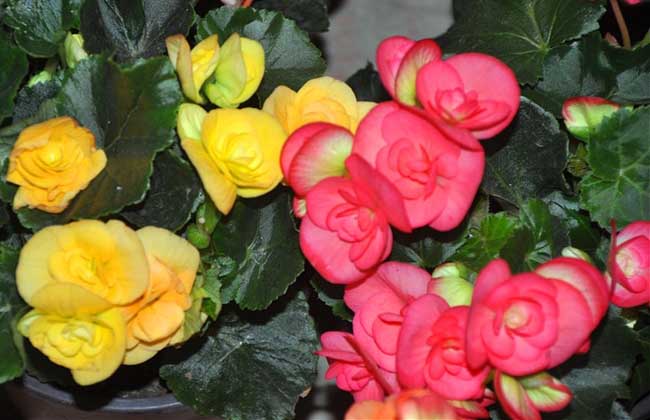
Wax begonia is the most common and most widely cultivated species among begonia plants, also known as perpetual begonia, clam-flesh begonia, etc. It is a succulent herbaceous plant of the genus Begonia in the family Begoniaceae. It has an elegant form, tender and glossy leaves, clustered flowers, blooms in all four seasons and carries a slight fragrance. It is one of the main potted flowers for indoor and outdoor decoration. Let's take a look below at the cultivation methods for potted wax begonia!
Growth Habits of Wax Begonia
Wax begonia likes sunlight, tolerates slight shade, fears cold, and enjoys warm, slightly shady and humid environments and moist soil, but it fears heat and waterlogging. In summer, pay attention to shading, ventilation and drainage. It is very sensitive to sunlight, so in summer the light duration should be adjusted to create a suitable growing environment, and shade treatment should be carried out. Plants cultivated indoors should be placed in a spot with scattered light and circulating air, and windows should be opened at night for ventilation and air exchange.
Propagation Methods of Wax Begonia
1. Sowing: When sowing, the seeds should be evenly scattered over the fine soil in the pot, then the sowing pot should be fully watered by the bottom-watering method, then covered with a piece of glass and placed in a semi-shady spot. After 10 days, they will germinate.
2. Cuttage: Cuttage can be carried out in all four seasons, but after the seedlings mature they have fewer branches. Except for double-petaled varieties, this method is generally not used for propagation.
3. Division: For perennial old wax begonia plants, they can be divided, and pruning can be carried out at the same time to encourage new side branches to form a well-shaped plant.
Cultivation Methods of Wax Begonia
1. Pot soil: The ideal pot soil for wax begonia is a mixture of river sand, leaf mold and snakewood fern sawdust. Wax begonia fears extreme heat, so in summer it should be kept in a cool place for care.
2. Temperature: Wax begonia flowers fear cold. Before Frost's Descent, move the pot indoors to protect against freezing and keep it warm. If the indoor temperature stays above 15°C, it can still continue to bloom.
3. Watering: In summer, water in the morning and evening; in winter, water around noon. Do not water too much, and by no means allow the soil to become waterlogged, otherwise excessive moisture will cause root rot and the leaves will turn yellow.
4. Light: Wax begonia flowers like sunlight and should be placed in a sunny, ventilated and airy location. If there is insufficient light, growth will be poor and the flower color will not be bright enough.
5. Fertilizing: During the growing season, apply a thin liquid fertilizer once about every 10 days, using a quick-acting phosphorus and potassium fertilizer. In summer and winter when growth is slow, apply less or stop fertilizing, to avoid rot diseases caused by tender stems and leaves and weakened heat and cold resistance.
6. Pests and diseases: The common disease and pest of wax begonia is the leaf-roller moth. It is not particularly serious, and can be caught by hand. For serious cases, spray with a diluted dimethoate solution.
Precautions for Wax Begonia
1. Wax begonia likes warm and moist conditions, so during the growing period, watering should be based on the plant's growth condition and changes in air temperature. Water less during the budding stage and keep the pot soil slightly dry; if it is too wet, it will cause root rot. During the growing season, water once every two days, and often spray water around the plant to increase air humidity. In addition, note that when watering, do not pour from the leaves and stem tips; water along the edge of the flower pot, otherwise the stems and leaves will easily accumulate water and rot.
2. During the growth period of wax begonia, fertilizer should be applied according to the leaf color and leaf growth condition. Do not apply too much fertilizer, otherwise the leaves will grow excessively and flowering will be affected. Before flowering, apply an appropriate amount of phosphorus fertilizer and potassium fertilizer to improve flower quality.
3. When winter comes, wax begonia should have its bulbous roots dug up and hung for storage in a dry, ventilated place, or the potted flower should be placed in a warm indoor spot to overwinter.
4. During periods of high temperature and dryness, wax begonia is prone to root rot and stem rot. At the early stage of discovery, watering should be controlled in time, and carbendazim should be sprayed for prevention and control. The effect can be seen after continuous use for a period of time.
5. After the flowers of wax begonia fade, be sure to remember to pinch out the growing point in time and remove the remaining flowers, so that it can grow more luxuriantly.
6. Wax begonia should usually be kept in semi-shade on a balcony or in a courtyard for care. Never let direct sunlight shine in, and pay attention to ventilation.
7. About half a month after planting wax begonia, a decomposed fertilizer solution can be applied. After that, during the growing period, apply a light fertilizer solution once every 20 to 30 days. In winter, move it indoors and place it in a sunny spot, and the minimum temperature must not be lower than 10°C.