Is it normal for black rice to lose color?
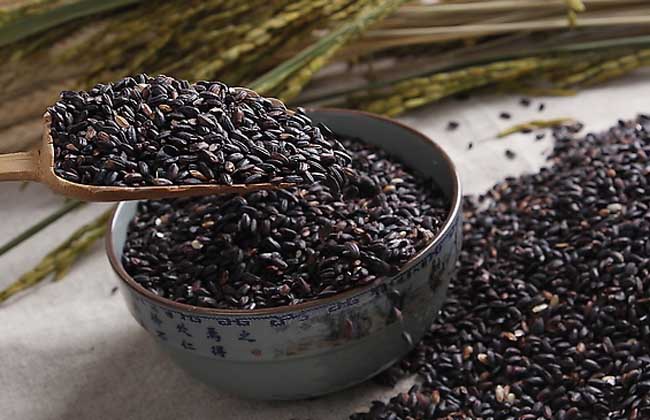
Black rice is jet black in color with a white interior; when cooked into porridge it turns dark brown, and it has a chewy texture, is crisp and resilient, has a unique flavor, a rich aroma, and a very high nutritional value. It has the effects of nourishing yin and tonifying the kidneys, strengthening the spleen and warming the liver, brightening the eyes and invigorating the blood, and boosting the body's resistance. However, many people notice that black rice loses color, so let's take a look below at whether it is normal for black rice to lose color!
Is it normal for black rice to lose color?
It is normal for black rice to lose color. The black color of the outer layer of natural black rice is a water-soluble pigment (anthocyanin), and the higher the water temperature, the less stable it is, which means that black rice will lose color during the cooking process. Also, after soaking black rice for a period of time, the water will turn purplish brown, which is actually normal too. When rinsing black rice, in order to reduce the pigment dissolving in the water, it is recommended to rinse it gently with cold water. There is one more thing to note: although black rice will lose color, it is not severe in cold water. If the black rice changes color immediately after being put into water, then this black rice probably has a problem.
How to tell real black rice from fake black rice
1. White vinegar test: Take some black rice and drip white vinegar onto it separately. After a few minutes, if red appears, this proves it is real black rice, because the anthocyanin in the outer layer of black rice reacts chemically with acid, producing a color similar to red wine.
2. Smell test: Take a small amount of black rice in your hand, breathe a mouthful of hot air onto the black rice, and then immediately smell it. High-quality black rice has a normal fresh fragrance, while black rice with a slight off odor, sour or foul smell, moldiness, or a rotten smell is generally of inferior or poor quality.
3. Scrape the surface layer of the rice: If you do not know whether black rice is real or fake and suspect it is dyed, the identification method is to scrape off the entire surface layer of the black rice and observe the color of the grain. If it is white, then it is real black rice; otherwise, it may be dyed black rice.
The edible benefits of black rice
1. Nourishing effect: Black rice has a relatively good nourishing effect on chronic patients, patients in the recovery period, and young children. It is beneficial to children's bone and brain development and promotes the recovery of postpartum women and people who are weak after illness.
2. Cancer prevention and anti-cancer: Black rice contains a large amount of protein and amino acids, and also contains a variety of vitamins, iron, selenium, and other trace elements. Among them, selenium also has anti-cancer and cancer-preventing effects.
3. Extending life: Black rice can significantly increase the content of hemoglobin and hematocrit in the human body and is beneficial to the health care of the cardiovascular system. Regular consumption of black rice can darken the hair, nourish the skin, and prolong life.
4. Tonifying the kidneys and darkening the hair: Black rice has the effect of nourishing yin and tonifying the kidneys and blood, and can be used to effectively treat conditions such as premature graying of hair. Traditional Chinese medicine believes that to darken the hair one must tonify the kidneys; when the kidneys are healthy, the hair will naturally be black and glossy.
5. Preventing and treating anemia: Black rice is rich in iron, and eating black rice has a certain effect on alleviating and improving anemia.