Where is black rice produced?
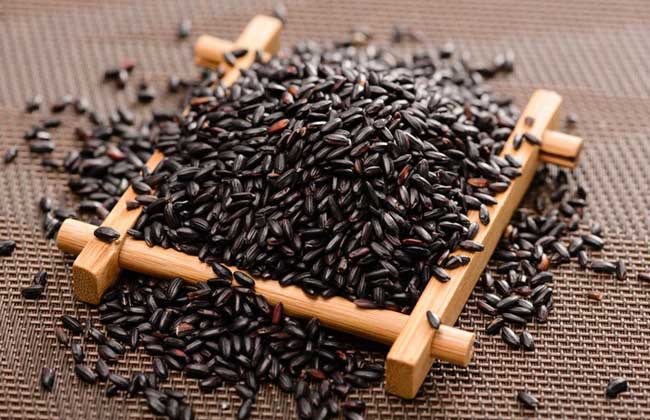
Black rice is an ancient and precious rice variety in China, belonging to the non-glutinous type of japonica rice. It was formed through long-term cultivation of the grass-family plant rice, and has a long planting history. Legend has it that more than two thousand years ago during the reign of Emperor Wu of Han, it was first discovered in Yangxian County, Shaanxi by Zhang Qian, the Marquis of Bowang. It has long been known as the "black pearl" and the "king of rice in the world." Let's take a look below at where black rice is produced!
Where is black rice produced?
Black rice is produced in many places in China, with representative types including Shaanxi black rice, Guizhou black glutinous rice, and Hunan black rice. It is said that the black rice discovered by Zhang Qian is the Shaanxi Yangxian black rice that has been passed down to this day. Because black rice is delicious, from the era of Emperor Wu of the Western Han Dynasty until the end of the Qing Dynasty, Yangxian black rice was all tribute rice presented to emperors. During the Gengzi Incident, although Empress Dowager Cixi was like a stray dog, she still could not forget the fragrance of Yangxian black rice and ordered it to be presented as tribute.
The nutritional value of black rice
1. The inorganic salts contained in black rice, such as manganese, zinc, and copper, are mostly 1 to 3 times higher than those in rice. It also contains special components lacking in rice, such as vitamin C, chlorophyll, anthocyanins, carotene, and cardiac glycosides, so black rice is more nutritious than ordinary rice. Eating more black rice has the effects of stimulating the appetite and benefiting the middle, strengthening the spleen and warming the liver, improving eyesight and promoting blood circulation, and regulating astringency and supplementing essence. It has a good nourishing effect on premature graying of hair in young people, postpartum weakness in women, physical weakness after illness, as well as anemia and kidney deficiency.
2. Black rice contains 8.5 to 12.5% crude protein, 2.7 to 3.8% crude fat, 75 to 84% carbohydrates, and 1.7 to 2% crude ash. The inorganic salts it contains, such as manganese, zinc, and copper, are mostly 1 to 3 times higher than those in rice. The rice porridge cooked with black rice is fragrant, glossy, soft, and palatable, rich in nutrition, and has a very good nourishing effect, so it is called blood-tonifying rice, longevity rice, and so on.
How to identify genuine and fake black rice
1. White vinegar identification: Take some black rice and drip white vinegar onto it separately. After a few minutes, if red appears, this proves it is real black rice, because the anthocyanins in the outer layer of black rice react chemically with acid, producing a color similar to red wine.
2. Smell identification: Take a small amount of black rice in your hand, breathe a mouthful of hot air onto the black rice, and then immediately smell it. High-quality black rice has a normal fresh fragrance, while black rice with slight other odors, sour odor, moldy odor, or rotten odor is generally of inferior or poor quality.
3. Scrape the surface layer of the rice: If you do not know whether the black rice is genuine or fake and suspect it is dyed, the identification method is to scrape off the entire surface layer of the black rice and observe the color of the grain. If it appears white, then it is real black rice; otherwise, it may be dyed black rice.