When Does Wheat Mature? A Detailed Explanation of Wheat Maturation Time
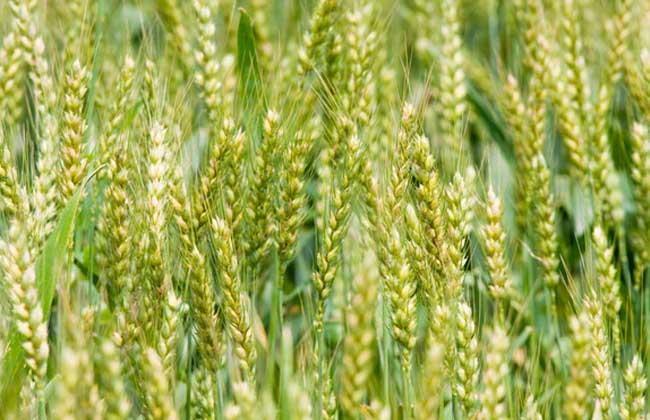
Wheat is a nutritious commodity grain with relatively high economic value. It is an annual or biennial herbaceous plant of the grass family, rich in starch, with fairly high protein content and a small amount of fat, as well as various mineral elements and vitamin B. However, many people do not know when wheat matures. Let us take a look below at when wheat matures!
When does wheat mature?
Wheat is divided by sowing period into winter wheat and spring wheat, with winter wheat being predominant in China. Winter wheat has extremely strong cold resistance during its growth process; its seedlings can survive the winter, and when spring arrives, the seedlings tiller quickly and grow vigorously. Flour milled from winter wheat is very tasty. It is usually planted in slightly warmer places, sown in winter and harvested in summer. For example, Northeast China grows spring wheat, while North China and areas to the south grow winter wheat. Spring wheat is grown in places where winter is very cold; because winter is too cold for sowing, it is sown only after early spring. It has extremely strong drought resistance, short plants with large heads, and a short growth period. It is suitable for spring sowing, but its flour is not as tasty as that of winter wheat.
When is wheat sown?
The most suitable sowing period for each wheat variety is 10-12 days, with the optimal sowing period being 5-7 days. In the Lunan area, the suitable sowing temperature for winter varieties is 20-16°C, around September 25 to October 10; the optimal sowing period temperature is 16-18°C, around September 27 to October 5. The suitable sowing period temperature for semi-winter varieties is 18-16°C, from September 27 to October 12; the optimal sowing period temperature is 16-17°C. The suitable sowing period temperature for semi-spring varieties is 16-14°C, from October 8 to 20; the optimal sowing period temperature is 16-15°C, around October 10 to 15. Note that due to the promotion and application of semi-winter varieties, improvements in soil and fertilizer conditions, and the requirement in cultivation to strictly control the pre-winter population, the sowing period has been delayed compared with tradition. The saying "White Dew is early, Cold Dew is late, and the Autumn Equinox is just the right time to sow wheat" only applies to shady slopes in mountainous areas, some saline-alkali land, and the wheat region of northwestern Shandong.
What wheat-producing regions are there in China?
1. Northern winter wheat region: The northern winter wheat region is mainly distributed north of the Qinling Mountains and the Huai River and south of the Great Wall. Winter wheat production here accounts for about 56% of the national total wheat output, mainly distributed in Henan, Hebei, Shandong, Shaanxi and Shanxi provinces.
2. Southern winter wheat region: The southern winter wheat region is mainly distributed south of the Qinling Mountains and the Huai River. This is China's main rice-producing area; growing winter wheat here helps raise the multiple cropping index and increase grain output. It is characterized by a high commodity rate, with the main producing areas concentrated in Jiangsu, Sichuan, Anhui and Hubei provinces.
3. Spring wheat region: The spring wheat region is mainly distributed north of the Great Wall. Temperatures in this region are generally low and the production season is short, so single cropping per year predominates. The main producing provinces and regions include Heilongjiang, **, Gansu and Inner Mongolia.
What nutritional value does wheat have?
1. Wheat is rich in protein, which helps maintain potassium-sodium balance, eliminate edema, improve immunity, lower blood pressure, buffer anemia, and benefit growth and development.
2. Wheat is rich in phosphorus, which helps form bones and teeth, promote growth and the repair of body tissues and organs, supply energy and vitality, and participate in the regulation of acid-base balance.
3. Wheat is rich in copper. Copper is an indispensable micronutrient for human health and has an important effect on the blood, central nervous system and immune system, hair, skin and bone tissue, as well as the development and function of the brain, liver, heart and other internal organs.
4. Wheat is rich in carbohydrates. Carbohydrates are the energy source necessary for maintaining brain function, regulate fat metabolism, provide dietary fiber, spare protein, detoxify, and enhance intestinal function.
What storage methods are there for wheat?
1. Hot-bin storage: In midsummer, on clear days with high temperatures, sun-dry wheat until the grain temperature reaches about 50°C, continuing for more than two hours, and the moisture content drops below 12.5%. Pile it up around 3 p.m., put it into the bin while hot, spread the pile and press it down, and seal the whole bin, keeping the grain temperature above 40°C for about 10 days. Pests that did not die during sun-drying all die. Depending on the situation, it can continue to be sealed or switched to ventilation.
2. Low-temperature freezing: During low winter temperatures, turn the bin, remove impurities and freeze, lowering the wheat temperature to around 0°C, then seal it while cold. This has a good effect on eliminating overwintering pests in the wheat pile. However, for wheat piles sealed at low temperature, contact with warm air currents must be strictly prevented to avoid condensation on the surface of the pile.
3. Natural oxygen depletion: Wheat is harvested during high temperatures. If it is dried promptly and the moisture content is reduced below 12.5%, the relatively high grain temperature and vigorous physiological activity during the after-ripening period can be used for film sealing to achieve a natural oxygen-depleted state in the wheat pile, thereby inhibiting pest damage. For old wheat stored from the previous year, methods such as auxiliary oxygen reduction, or filling with carbon dioxide or nitrogen, can be used for pest-control storage.