How to achieve good control results against potato fusarium wilt
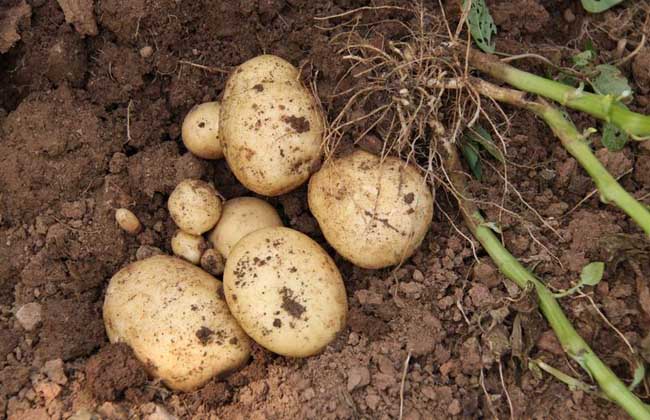
Potato fusarium wilt is a soil-borne fungal disease of potatoes. It is widely distributed and occurs commonly in all planting regions across the country. It is severe in continuous cropping fields and poses a threat to potato production. In addition, the pathogen is complex, with great genetic variability and strong stress resistance, which increases the difficulty of controlling this disease. Now let us take a look at the control methods for potato fusarium wilt!
Damage symptoms
The aboveground parts of the potato wilt, and when the diseased stem is cut open, the vascular bundles of the tuber turn brown. When humidity is high, the diseased parts often produce white to pink mycelium.
Transmission routes
The pathogen overwinters as mycelium or chlamydospores with diseased residues in the soil or on infected seed potatoes. The following year, conidia produced on the diseased parts spread via rainwater or irrigation water and invade through wounds.
Conditions for disease occurrence
The disease is prone to occur when field humidity is high, soil temperature is above 28°C, or in continuous cropping fields and low-lying fields.
Control methods
1. Carry out a 4-year rotation with gramineous crops or green manure.
2. Select healthy tubers for seed, apply decomposed organic fertilizer, and strengthen water and fertilizer management, which can reduce disease occurrence.
3. When necessary, drench with a 300-fold dilution of 12.5% synergistic carbendazim concentrated soluble liquid.