Detailed Explanation of Key Points for Rice Leaf Roller Control Techniques
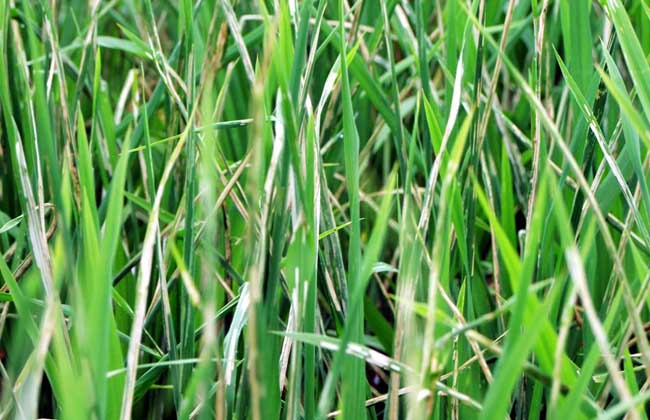
The rice leaf roller is one of the major pests in rice-growing regions of China, also known as the rice leaf roller worm, leaf-scraping worm, etc. It is widely distributed across all rice-growing areas. Besides damaging rice, it can also feed on crops such as barley, wheat, sugarcane, and foxtail millet, as well as weeds such as barnyardgrass, Leersia hexandra, paspalum, Paspalum distichum, crabgrass, foxtail, goosegrass, thatch grass, and reeds. Let us now take a look at rice leaf roller control techniques!
Living Habits of the Rice Leaf Roller
1. Year-round damage zone: South of the 16°C January average temperature isotherm, including south of the Leizhou Peninsula line. In winter, food sources such as ratoon rice and fallen-grain rice are available, allowing year-round reproduction with no dormancy phenomenon.
2. Winter dormancy zone: South of the 7.7°C January average maximum temperature isotherm, i.e., from south of 30°N to the southern coastline of the mainland. Overwinters as larvae or pupae. In Guangdong, Guangxi, and southern Fujian, the overwintering survival rate is relatively high. In Hunan, Jiangxi, and other provinces north of the Nanling Mountains, although some individuals overwinter in weeds, rice clumps, and other places, the overwintering survival rate is extremely low.
3. Winter death zone: North of the 7°C January average maximum temperature isotherm, including Hubei, northern Anhui, Jiangsu, Henan, Shandong, and other provinces. No life stage can safely overwinter.
Agricultural Control of the Rice Leaf Roller
1. Select rice varieties resistant (tolerant) to the pest, apply fertilizer reasonably to keep rice growing vigorously, and prevent excessive vigorous growth in the early stage and delayed maturity with prolonged greenness in the later stage. Manage water scientifically, appropriately adjust the timing of field drying to reduce field humidity during the larval hatching period, or irrigate with deep water for 2-3 days during the peak pupation period to kill pupae.
2. There are more than 80 species of natural enemies of the rice leaf roller, with parasitoids or predators present at every life stage. Protecting and utilizing natural enemy resources well can greatly enhance their control effect on the rice leaf roller. There are about 80-plus species of natural enemies of the rice leaf roller, with parasitoids or predators at every life stage. Egg-stage parasitoids such as Trichogramma australicum and Trichogramma japonicum, larval-stage parasitoids such as Apanteles cypris, and predatory natural enemies such as spiders and frogs all have a strong control effect on the rice leaf roller.
Chemical Control of the Rice Leaf Roller
1. The egg hatching peak occurs about 7 days after the moth peak, and the 2nd-instar larval peak occurs about 10 days after. It is recommended to apply pesticide 7-10 days after the moth peak. Per mu, use 100 mL of Guangjian, or 100 mL of Dafang Abamectin, or 50 mL of Steel Man, mixed with 30 kg of water for spray control. When new leaf rolls appear, with an average of 30-40 new leaf rolls per hundred clumps, apply pesticide immediately, using the same treatment as above.
2. Dissect and examine about 20 leaf roller larvae. If most larvae are in the 1st or 2nd instar, per mu use 100 mL of Guangjian, or 100 mL of Dafang Abamectin, or 50 mL of Steel Man, mixed with 30 kg of water for spray control. If the larvae are in the 3rd instar or above, per mu use 50-75 mL of Steel Man plus 50-75 mL of Dafang Juanchu, mixed with 45 kg of water for spray control.
3. Regarding the timing of application: if no white streaks appear on the leaves in the field and the larvae are young, per mu use 100 mL of Guangjian, or 100 mL of Dafang Abamectin, or 50 mL of Steel Man, mixed with 30 kg of water for spray control. If white leaves have just begun to appear or there are not many white leaves, and the larvae are mainly in the 2nd and 3rd instars, per mu use 50 mL of Steel Man plus 50 mL of Dafang Juanchu, mixed with 45 kg of water for spray control. If large numbers of white leaves appear in the field and the leaf rolls begin to dry up, with the leaf roller larvae being older instars, per mu use 50-75 mL of Dafang Juanchu mixed with 45 kg of water for spray control.
4. If larval instars vary, especially when there are many older larvae, per mu use 50-75 mL of Dafang Juanchu mixed with 45 kg of water for spray control, which gives good efficacy and a long residual period. Note that when controlling the rice leaf roller, a sufficient amount of water must be used, and fine mist spraying is best.