Detailed Explanation of Key Technical Points for Cotton Pest and Disease Control
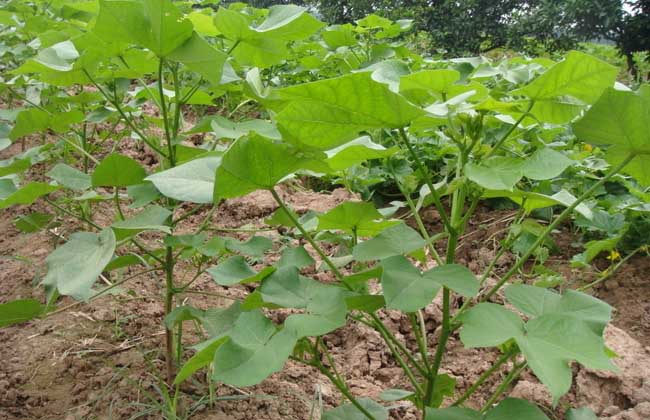
Cotton is one of the most important crops in the world. Its high yield and low production cost make cotton products relatively inexpensive. The fiber can be made into fabrics of various specifications, from lightweight and transparent voile to thick canvas and thick velveteen, suitable for making all kinds of clothing, furnishing fabrics and industrial fabrics. The countries with the highest yields are China, the United States and India. Now let us take a look at cotton pest and disease control techniques!
Cotton Aphid
[Damage characteristics] Seedling aphids occur from emergence to after squaring. Control should begin when the leaf curling rate reaches above 30%. Mid-June to late July is the peak period of cotton aphid damage.
[Control methods] You can choose 10% imidacloprid wettable powder + 800-fold dilution of Xin Gao Zhi Mo, or 15% Jin Hao Nian emulsifiable concentrate + 800-fold dilution of Xin Gao Zhi Mo for uniform spraying on stems and leaves. When summer aphids occur during the bud and boll stage, because of the high temperature, you can choose 3% acetamiprid emulsifiable concentrate at 2000-fold dilution plus 40% chlorpyrifos at 1200-fold dilution + 800-fold dilution of Xin Gao Zhi Mo to control aphids and other pests at the same time. After the cotton plants close rows, you can also use 80% dichlorvos emulsifiable concentrate + 800-fold dilution of Xin Gao Zhi Mo and spray it between cotton ridges on a clear, windless evening. This has a good effect on summer aphids and can also control cotton red spider mites.
Cotton Leaf Mite
[Damage characteristics] It begins to appear in patches in cotton fields in early May. At this time, the temperature is relatively low, reproduction is slow, the number of mites per leaf is small, and cotton seedlings suffer relatively light damage. From early June to late July, the temperature rises rapidly, cotton leaf mites begin to reproduce in large numbers and cause concentrated damage. In dry years, the damage is severe.
[Control methods] You can choose 15% Sao Chong Man Jing emulsifiable concentrate + 800-fold dilution of Xin Gao Zhi Mo, or 1.8% abamectin + 800-fold dilution of Xin Gao Zhi Mo for spray control.
Cotton Mirid Bug
[Damage characteristics] The damage caused by cotton mirid bugs to cotton has been increasing year by year. The chemical control period is in mid-to-late June. During this period, cotton plants are relatively tender. If there is abundant rain and the relative humidity in the cotton field is high, these climatic conditions are favorable for cotton mirid bug damage. This period is the key time for control.
[Control methods] At the cotton bud stage and boll stage, you can choose 5% acetamiprid emulsifiable concentrate + 800-fold dilution of Xin Gao Zhi Mo or 4.5% beta-cypermethrin emulsifiable concentrate + 800-fold dilution of Xin Gao Zhi Mo for spray control. The effect is good, and it also controls cotton bollworm at the same time.
Cotton Bollworm
[Damage characteristics] Cotton bollworm is the main pest during the cotton bud and boll stage, generally producing 4 generations per year. Mainly the second and third generations damage cotton. The larvae bore into and feed on buds, flowers and bolls, causing the damage. Bored cotton bolls are prone to rot and drop or become stiff locks.
[Control methods] 1. Physical control: Install Jiaduo frequency-oscillation insect-killing lamps in concentrated cotton planting areas, one set per 60 mu; the effect is better when used in contiguous areas. 2. Chemical control: You can choose 90% Wan Ling wettable powder + 800-fold dilution of Xin Gao Zhi Mo, 4.5% beta-cypermethrin emulsifiable concentrate + 800-fold dilution of Xin Gao Zhi Mo, or 1.8% abamectin + 800-fold dilution of Xin Gao Zhi Mo for stem and leaf spraying, once every 7 days, for 2 to 3 consecutive sprays. For later residual control, you can use 20% Xin Mie emulsifiable concentrate + 800-fold dilution of Xin Gao Zhi Mo or 20% cyanophos-malathion emulsifiable concentrate at 1500-fold dilution for uniform spraying.
Fusarium Wilt
[Damage characteristics] Fusarium wilt is a disease that damages the vascular bundle tissue of cotton, causing symptoms such as leaf discoloration, drying, shedding and wilting. In severe cases, plants die in patches, affecting yield.
[Control methods] At the cotton bud stage, use Ku Huang Wei Ling at 40 grams per mu diluted with water for spraying (preferably spraying combined with irrigation) 3 to 4 times.
Verticillium Wilt
[Damage characteristics] Symptoms generally begin at the 3-to-5 true leaf stage. In the middle and late growth stages, after cotton squaring, the disease breaks out heavily in the field and can easily cause the entire plant to die or wilt.
[Control methods] Common agents include carbendazim, thiophanate-methyl, Ke Huang Ku, Ku Huang Ji Yin Su, cotton San Qing and others, plus nutritional regulators such as monopotassium phosphate, boron fertilizer, boron plus selenium, zinc fertilizer, zinc plus selenium, Tian Feng Su, fish protein and others. Spray once every 5 to 7 days, for 2 to 3 consecutive sprays.
Beet Armyworm
[Damage characteristics] Beet armyworm is an omnivorous pest, producing 4 to 5 generations per year, with severe overlapping of generations and uneven larval instars. High-temperature and drought climatic factors and cultivation conditions with mixed planting of multiple crops are favorable for the occurrence of beet armyworm. Generally, cotton fields with extensive management and many weeds have more severe occurrence.