What are the control methods for cotton aphids?
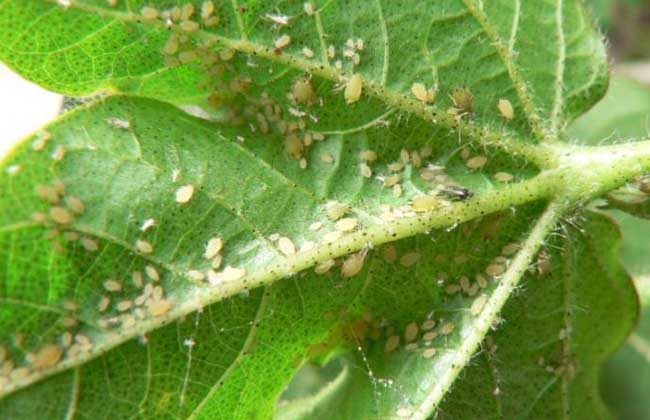
The cotton aphid is one of the major insect pests of cotton. Five aphid species have been found: the cotton aphid, the cotton long-tube aphid, the alfalfa aphid, the turnjujube aphid, and the bean root aphid. Among them, the cotton aphid is the main one damaging cotton and is one of the important pests of cotton in China. Damage is heaviest in the cotton regions of the Yellow River basin and the Liao River basin, followed by the cotton region of the Yangtze River basin. Let us take a look below at the control methods for cotton aphids!
Damage symptoms of cotton aphids
In the southern cotton region of China, the cotton aphid produces 20 to 30 generations a year, and in the northern cotton region 10 to 20 generations a year. In most parts of the country, eggs overwinter on the four major overwintering hosts: hibiscus, pomegranate, Sichuan pepper, and holly. With their piercing-sucking mouthparts inserted into the underside of cotton leaves or the tender growing tips, they suck sap. Damaged leaves curl toward the underside, and the leaf surface carries the honeydew excreted by the aphids, which often breeds mold. After damage, the plants are stunted, the leaves become smaller, the number of leaves decreases, squaring is delayed, and the number of squares and bolls decreases.
Agricultural control of cotton aphids
1. Planting insect-resistant varieties is an effective measure for controlling cotton aphids, such as planting 372 and others.
2. Intercropping and relay cropping can increase the species and numbers of natural enemies and control aphid damage, such as cotton-wheat relay cropping, intercropping cotton with mung bean, green manure, and others, and planting trap crops such as corn, rapeseed, and sorghum in between.
3. Paddy-upland rotation can reduce the occurrence of cotton aphids. Where conditions permit, rotate cotton with rice.
4. Deal with the overwintering hosts to reduce aphid sources in early spring. Generally, before the cotton seedlings emerge, clear the weeds inside and outside the cotton field. Where possible, apply chemical treatment to the four major cotton aphid overwintering hosts - Sichuan pepper, pomegranate, hibiscus, and holly - which can reduce aphid numbers in the cotton field.
Chemical control of cotton aphids
1. Seed dressing: Before sowing cotton, mix the seed amount per mu with 1.5 to 2 kg of 3% carbofuran granules evenly, or dress the seed with aldicarb (also called temik), using 50 g of active ingredient per mu, which can control aphid damage for 40 to 50 days. Dressing seed with 3911 (phorate) emulsion or granules, or with seed coating agents, also gives very good results.
2. Spraying: Dilute 50% monocrotophos, 50% phoxim, 40% omethoate, 40% biaviding, 35% phosalone, 50% phosphamidon and other pesticides 1000 to 1500 times and spray.
3. Dropping onto the growing point: Dilute 40% omethoate emulsion or 40% monocrotophos or 50% methamidophos emulsion 80 to 100 times, and use a sprayer to drop the solution onto the top of the cotton seedlings to control aphid damage.
4. Stem painting: Use 40% omethoate emulsion or 40% monocrotophos or 50% methamidophos emulsion, polyvinyl alcohol, and water in a ratio of 1:0.1:5 to prepare a stem-painting agent. With a tool similar to a writing brush, paint the solution onto the purple-and-green alternating part of the cotton stem. The aphid control effect can reach more than 90%.