When to Plant Cotton? A Detailed Guide to the Best Sowing Time
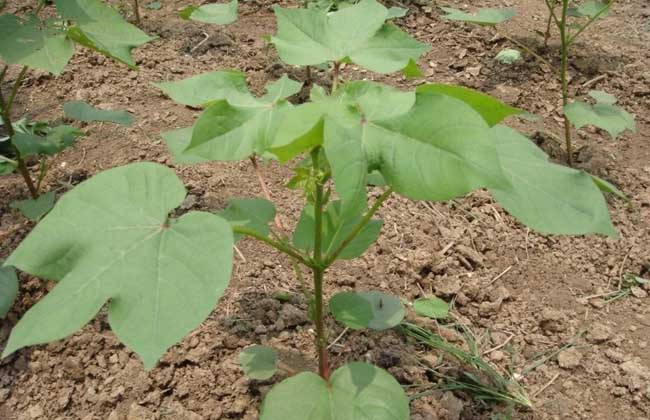
Cotton is the seed fiber of plants in the genus Gossypium of the mallow family (Malvaceae). Its place of origin is the subtropics, and it was first introduced to China for cultivation at the end of the 19th century. It is now widely cultivated in all cotton-producing regions across the country and has replaced tree cotton and Asiatic cotton. At present, the countries with the highest cotton yields in the world are China, the United States, India, Brazil, Mexico and others. Let's take a look below at when the cotton planting time is!
Cotton planting time
Because the weather and climate differ from region to region, the cotton planting time also differs. Generally speaking, the cotton planting time is around April each year. In fact, starting in the third month of spring, farmers begin to buy cotton seeds to plant cotton, but since cotton is not planted directly in the ground like beans, at this time they are cultivating cotton seedlings, so the real cotton planting time should be late March to early April.
Cotton planting conditions
1. Light: Cotton is a light-loving crop and is suitable for growing under relatively ample light conditions. Both its light compensation point and light saturation point are high. According to measurements, the light compensation point of a single cotton leaf is 750-1000 lux, and the light saturation point is 70,000-80,000 lux. Under normal circumstances, the suitable range of light intensity for cotton leaves is 8,000-70,000 lux, and within this range the photosynthetic rate increases as light intensity increases.
2. Water: Cotton growth requires absorbing water from the soil, and the physiological water requirements differ at each growth stage. From sowing to emergence, the water content of the 0-20 cm soil layer should preferably be 70-80% of field capacity; at the seedling stage, the water content of the 0-40 cm soil layer should preferably be 60-70% of field capacity; at the early bud stage, the water content of the 0-60 cm soil layer should preferably be 65-75% of field capacity; after the full bud stage, the water content of the 0-80 cm soil layer should preferably be 70-80% of field capacity and must not fall below 60-65%; at the boll-opening stage, the relative soil water content should preferably remain at 55-70%. According to relevant research, about 2/3 of the water in a cotton field is consumed by transpiration over the entire growth period, and 1/3 is consumed by soil evaporation.
3. Soil: Cotton growth and development require water and nutrients, which are mainly obtained from the soil through the root system. The temperature and air it needs are partly drawn from the soil, and it also needs the mechanical support of the soil in order to grow. The physical, chemical and biological properties of cotton field soil largely restrict the yield and quality of cotton. Soil moisture, nutrients, temperature, air, salinity and alkalinity content, and texture all have a great influence on cotton growth.
Cotton seedling-raising techniques
1. Plastic-film frame seedling raising: Most ecological cotton regions across the country use the plastic-film frame seedling-raising method. It mainly involves sowing and covering with soil, then placing arched frames and covering with film, sealing all sides tightly, and ventilating to lower the temperature once the seedlings emerge evenly.
2. Nutrient-block seedling raising: Nutrient-block seedling raising is also called square seedling raising or block seedling raising. Different places use different names because of the different measures they adopt. For example, square seedling raising using river mud, pond mud and the like as the seedbed soil is called river-mud square seedling raising.
3. Flat plastic-film seedling raising: Flat plastic-film seedling raising saves labor and cost, simplifies management procedures and is simple to operate, making it easy for people to master. The film is laid directly on the seedbed, and when the cotton sprouts push through the soil, the film is broken to release the seedlings. The thickness of the plastic film used is only 18% of the thickness of commonly used agricultural film. In regions with a lot of cloudy and rainy weather during the seedling stage, disease and dead seedlings are relatively serious when this method is used, so the seedling-raising period should be appropriately delayed in production, and it can be applied in cotton fields transplanted from late crops.
4. Double-film seedling raising: Double-film seedling raising is a seedling-raising method in which, after sowing and covering with soil, a layer of plastic film is first laid flat and then an arched shed is added on top. It solves the problem of stiff and diseased seedlings easily caused by cloudy, rainy and low-temperature weather after early-spring sowing, and the cotton seedlings raised are of good quality with the bud stage occurring earlier.
5. Ventilated mesh-film seedling raising: Ventilated mesh-film seedling raising involves cutting conventional plastic film along the center line and sewing a 10-15 cm wide nylon window screen into the middle, then covering it over the arched frame. Temperature and humidity are naturally regulated through the open part of the ventilated mesh, with no need to uncover it by day and cover it at night.