How Is Rapeseed Oil Pressed? A Detailed Explanation of the Whole Oil-Pressing Process
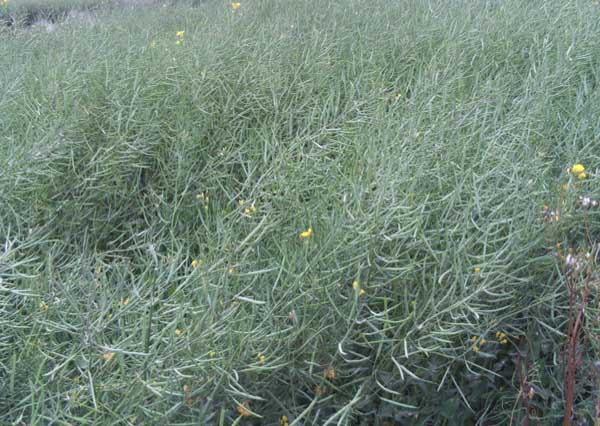
Rapeseed, also known as Brassica seed, is a herbaceous cruciferous crop and one of China's main oilseed crops and nectar-source crops; its seeds are one of the main raw materials for making extracted oils and fats. It is cultivated throughout China and is divided into two types: winter rapeseed and spring rapeseed. Its planting area accounts for more than 40% of China's total oilseed crop area, and its output accounts for more than 30% of China's total oilseed output, ranking first in the world.
Cleaning and Drying the Rapeseed
If the soil, stems, leaves and other debris mixed in with the rapeseed are not removed before it enters the oil press, it will not only affect the quality of the oil and the pressed cake, but will also absorb part of the oil and reduce the oil yield. If sand, stones, metal, hemp rope and other debris are mixed in with the rapeseed, it will cause even more wear to machine parts, trigger production accidents and affect the process results. Therefore, in order to ensure smooth production, impurities must be removed as thoroughly as possible; for individual rapeseed fruits with a high moisture content, drying treatment is also very necessary in order to make dehulling easier.
Heat Treatment
Heat treatment is one of the most important steps in the process of extracting oil, including moistening and heating the raw cake, which in production is called steaming the cake or roasting the cake; the cake after steaming and roasting is called the cooked cake. Raw cake that is pressed after heat treatment is called hot pressing, while that which is not heat-treated is called cold pressing. Rapeseed is mainly hot pressed. The quality of the heat treatment has a direct impact on the smooth progress of the entire oil-making process, the level of oil yield, and the quality of the oil and pressed cake.
Pressing
The round pressing bars of the oil press have a sawtooth-shaped curve and conical surface. When the rapeseed is being pressed, it is pushed and squeezed by the pressing screw, causing the volume of the space between the pressing screw and the inner wall of the pressing cage to change continuously. At the rear part of the pressing cage, because round pressing bars are arranged there, the inner wall of the pressing cage is sawtooth-shaped; here the material cake is alternately pressed and released, and the structure of the material cake is continuously adjusted and turned evenly, giving the material cake from which oil has not yet been pressed out, or from which less oil has been pressed out, more opportunities to be fully pressed.