Five key management practices for high-quality, high-yield rice in the mid-to-late growth stage
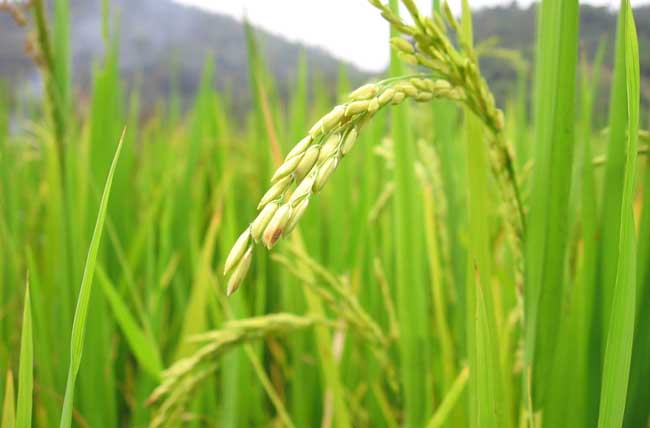
After good early growth, rice enters the reproductive growth stage of the mid-to-late period. Strengthening field management at this stage is crucial to the yield and quality of rice.
Moderate field drying
Field drying should generally be carried out when rice is not sensitive to water, that is, it is more suitable from the late tillering stage to the early young panicle differentiation stage. The following principles should be followed during operation: fields with sufficient and vigorous seedlings should be dried appropriately earlier; where the mud layer is deep and there is excessive vegetative growth, drying should be heavier, otherwise lighter; fields with poor water retention should not be dried heavily.
Scientific irrigation
The long panicle stage is the peak of physiological water demand in the entire life of rice; especially from 2 to 14 days before heading, rice is most sensitive to water and must not lack water, so as not to affect spikelet differentiation and development. After field drying, re-flooding should be done with shallow water and frequent irrigation, adopting the intermittent irrigation method of “old water not dried up, new water not added.” Scientific irrigation after field drying greatly saves valuable water resources, improves the soil ecological environment, maintains and enhances root activity, and facilitates nutrient absorption and transport. The irrigation method during the heading and grain-filling stage is deep water at heading, shallow water at grain filling, and moist conditions for grain development, with drainage and drying about 5 days before harvest. Never cut off water too early, as this affects grain weight.
Skillful application of panicle and grain fertilizer
Panicle fertilizer is generally applied after young panicle differentiation begins, and the amount should be determined according to the field growth of the rice. If the number of stems and tillers is excessive and leaf color is dark, apply less and later, with about 2.5 to 3 kg of urea per mu; if the number of stems and tillers is insufficient and leaf color is yellow with uneven shades, apply earlier and more heavily, with about 5 kg of urea per mu.
Increased application of grain fertilizer
This is mainly to supplement the insufficiency of panicle fertilizer. The best application period for grain fertilizer is when rice leaves can naturally turn lighter before breakage, that is, topdressing about 2 to 3 days before heading is preferable. Grain fertilizer is generally best as urea, with about 2.5 kg applied per mu. However, for fields with sufficient soil fertility, excessive growth, and dark leaf color, grain fertilizer should not be applied, to prevent delayed maturity and lodging, which affect yield and quality. To prevent premature aging of plants after heading, foliar spraying should also be carried out at this time, spraying 1% urea solution or special rice foliar fertilizer, applied on clear evenings, and it should be sprayed on both the front and back sides of the leaves.
Pest and disease control
In the mid-to-late growth stage of rice, emphasis should be placed on controlling bacterial leaf blight, sheath blight, rice false smut, and pests such as the striped stem borer, the yellow stem borer, and the rice planthopper. These pests and diseases often occur in mixed form. Based on this actual situation, pesticide mixing technology should be used for compound control. For example, when bacterial leaf blight and the yellow stem borer cause combined damage, a mixed solution of yekuning and shachongshuang can be used for control, which saves labor and time and can also achieve good control results.