A part of the chicken is often thrown away as waste, but it is actually a rare commodity worth 40 yuan per jin
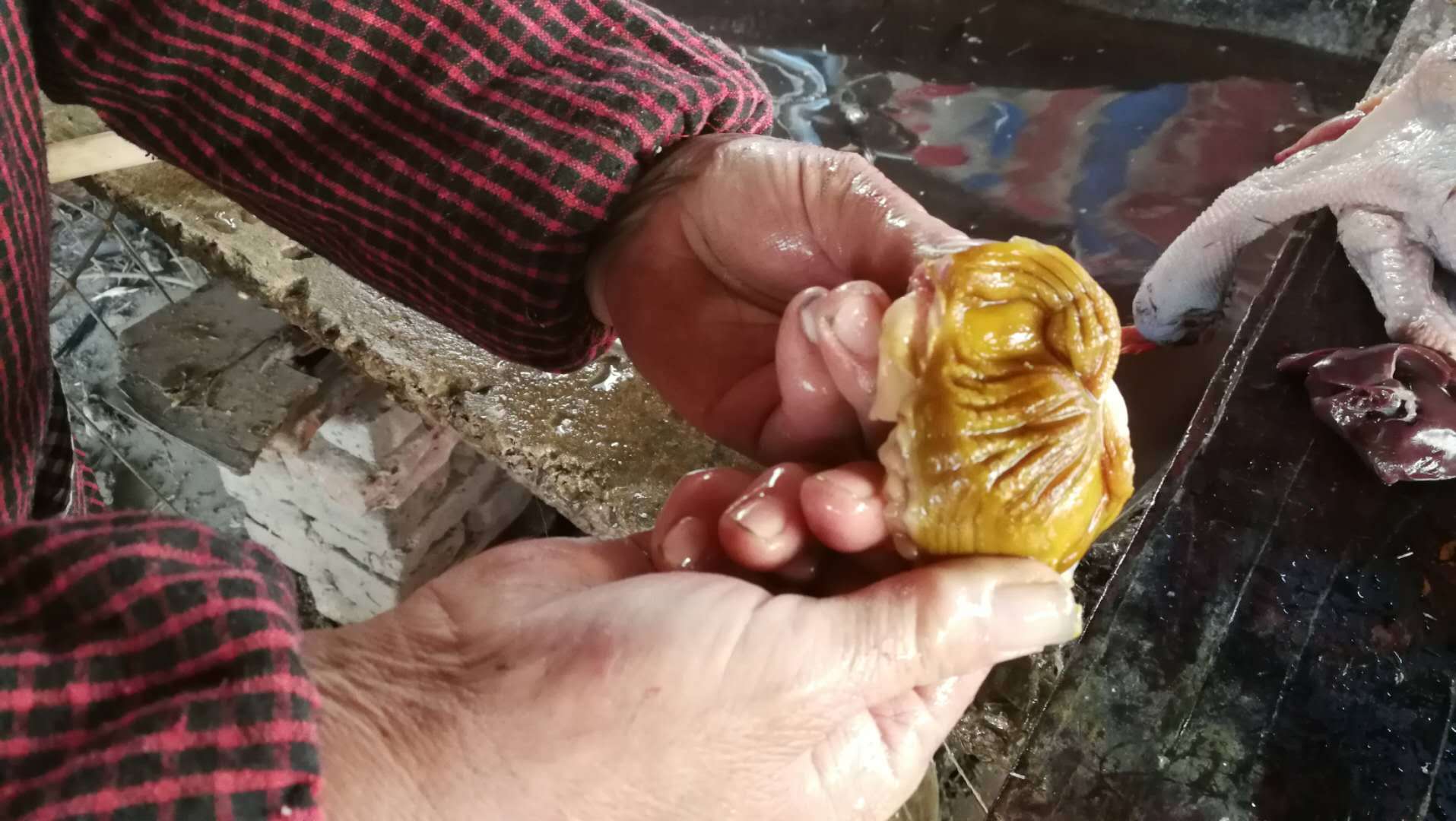
Since ancient times in our country, there have been folk remedies used to treat illnesses, but with the improvement of living standards and medical standards today, these folk remedies have gradually been abandoned by people. However, in some remote mountainous areas in rural areas, there are actually still quite a few old farmer friends who still use them, making some seemingly useless things suddenly become valuable treasures. In the morning, when the author went to a chicken farm at the foot of the mountain in the village, I met an old farmer friend buying a folk remedy.
Speaking of what this folk remedy requires, many friends have actually seen it. It is a part of the chicken, and this part is often thrown away by people as waste. It is the "chicken crop," and in rural dialect it is also called "jineijin" (chicken gizzard lining).
What is this jineijin? It is actually the membrane taken from the inner wall of the chicken gizzard. Its smell is very fishy and foul, and it is also very bitter, so people dislike it very much, and therefore often throw it away as waste.
In fact, in ancient times, jineijin was still a commonly used folk remedy among the people and could be used to treat many illnesses. It is recorded in the "Compendium of Materia Medica" and "Experiential Formulas." Jineijin can be used as medicine; its taste is bitter and its nature is neutral. It has the effects of strengthening the stomach and promoting digestion, astringing essence and stopping seminal emission, and relieving strangury and dissolving stones. It can be used to treat various symptoms such as undigested food accumulation, vomiting and diarrhea, infantile malnutrition, enuresis, seminal emission, painful strangury with stones, and distension and pain in the gallbladder and hypochondrium. It is especially effective for infantile malnutrition. Wash it clean and stew it with meat for children to eat, and it can treat infantile malnutrition, greatly improving children's appetite.
The old farmer friend whom the author met at the chicken farm wanted to buy some jineijin to take home to treat his grandson's malnutrition. According to this old farmer friend, his grandson had recently been unwilling to eat, and many methods had been tried without success, so he wanted to try this folk remedy, hoping to greatly improve his grandson's appetite. The author also asked about the price of this jineijin. What the author did not expect was that this "waste" that people do not value today costs 40 yuan per jin. It seems that in the eyes of many old farmer friends, jineijin is still a rare commodity.
Dear friends, I wonder whether there is any mention of "jineijin" where you are? Did you eat "jineijin" when you were children? You are welcome to leave a message and share your thoughts!