Letting flowers bloom and fade naturally is actually the wrong approach
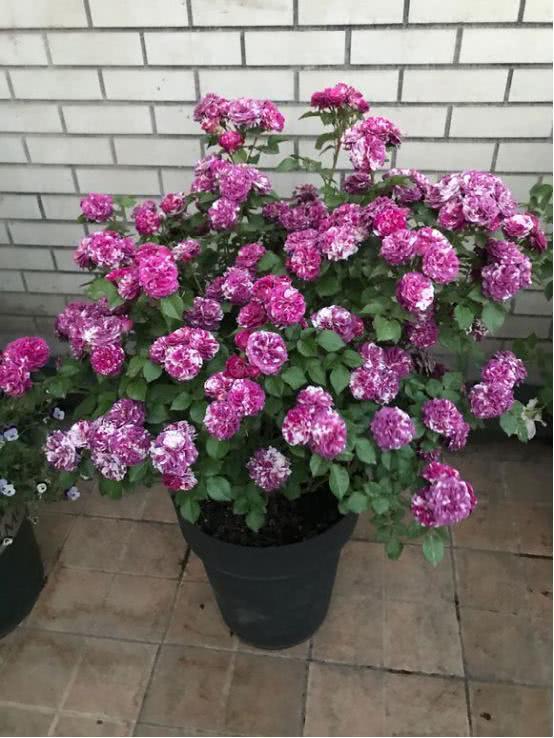
Some flower lovers may do it out of laziness, or because they believe in the principle of natural beauty, or because they cannot bear to harm a single stem or leaf of their roses, so they just let the plants grow freely, bloom naturally, and fade naturally, doing nothing beyond watering them on schedule and as needed, and never pruning the plants at all.
In fact, this eager-to-love-your-flowers approach not only fails to protect them, but on the contrary drags down the growth of the roses, and then you may wonder why the same rose variety at old Mr. Wang's next door can bloom several rounds a year, while yours blooms one round and then nothing more. The reason is that you did not prune the plant in a timely and appropriate manner.
Pruning roses after they bloom is very important, because this is a big deal that determines whether you can welcome the next round of blooms sooner. Generally, the flowering periods of roses are mostly concentrated in these three periods (of course, depending on the variety and growing environment, they will certainly differ, so you can refer to the one closest to your timing as a reference).
The first bloom is generally in spring, so the flowers usually fade in May. When pruning, first remove the spent flowers, and then prune back a section of stem as well. If the plant is relatively tall and lush, you can prune to the third lateral branch; if the plant is relatively short and small, pruning to the second lateral branch is enough.
Also cut off the weak-growing branches along the way, so the plant can free up space to grow sturdier buds. The first pruning can be slightly heavier, because it is late spring at this time and the climate is still quite suitable for the growth of branches and leaves. If you find any poor ones, you can give them up, and there is still enough time for the plant to regrow new branches and leaves.
The second bloom is generally in summer, so the flowers usually fade in June or July. This time you can do light pruning. In addition to removing the spent flowers, the main task is to prune the overly lush branches and leaves. Too many leaves will consume more nutrients and also cause poor ventilation, which easily leads to various diseases. The principle is to keep 3 buds per branch.
The third bloom is in August, so the flowers usually fade in September or October. After this round of fading, the weather begins to gradually turn cool. Many varieties will not bloom again after this round, especially in the cold northern regions, but southern regions such as Hainan will still bloom. After the weather turns cold, roses will enter their dormant period.
This time the pruning can be heavier, to prepare the plant for winter. The main task is to prune away weak branches, dead branches, blind branches, as well as some slender leggy branches and overly long and dense crossing branches, which should also be cut off together. When pruning, it is best to cut at a 45-degree angle above the bud point, which causes less damage to the plant.