During the flowering period, only with sufficient fertilizer and water can the flower buds open smoothly.
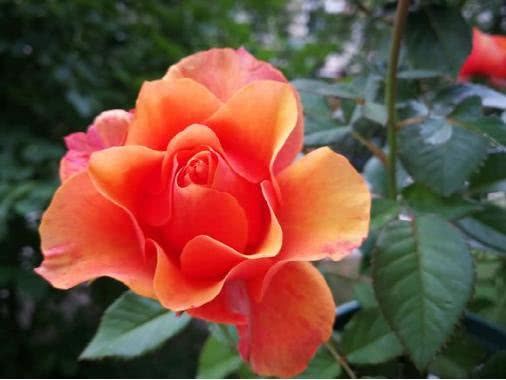
Many varieties of roses bloom large and abundantly, and therefore need a large supply of nutrients, and merely relying on the usual watering and sunlight is clearly unable to meet the plant's nutrient needs. At this time, the roses need to be appropriately fertilized, but fertilizing also has its finer points. Fellow flower growers should not fertilize on a sudden impulse. Only by fertilizing correctly can good results be achieved.
We roughly divide the fertilizing times for roses into before the flowering period, during the flowering period, and after the flowering period. So first, let's briefly understand: when exactly is the so-called before the flowering period? This is very simple: it is when you notice it has sprouted flower buds. At this time you need to know that it must be given timely nutrient supplementation.
Fertilizing before the flowering period can promote the growth of flower buds and can make the flowers bloom larger and more beautiful. Most importantly, it can at least ensure the necessary nutrients for flowering. You should know that many flower buds fail to open smoothly precisely because of insufficient nutrients.
As for whether to fertilize during the flowering period, this must be decided according to the size of the plant and the number of flower buds. If the plant is small, and if the corresponding fertilizing work was already done before the flowering period, then the plant's nutrients can already be supplied sufficiently, and at this time fertilizing may not be necessary.
If blind branches are found to appear, it indicates that the plant is suffering from malnutrition. Or carefully observe the leaves: if after flowering you find that the leaves are not so emerald green and lively, it indicates that nutrients are insufficient. If the plant has already grown very luxuriantly and has a large number of blooms, it also needs fertilizing.
Fertilizing is possible during the flowering period, but you must pay attention to the issue of balance, and avoid letting the plant have one full meal and one hungry meal. The fertilizing suggestion at this time is not to supplement nitrogen fertilizer, but to supplement more phosphorus and potassium fertilizer, because phosphorus and potassium are very beneficial to flowers. This is especially true for rose varieties with a large number of blooms: they may first open a batch of flowers, while at the same time some flower buds are emerging.
In this situation, fertilizing is absolutely necessary, because the flowers currently blooming will consume a very large amount of nutrients, and if the batch of flower buds that has not yet opened lacks nutrients, the flower buds will develop poorly, and the flowers that open will surely also be small and not bright enough in color. If you want roses to bloom continuously, fertilizer and water must also not be interrupted.