Improper use of medication on plants can easily cause phytotoxicity, so gardening enthusiasts need to be cautious.
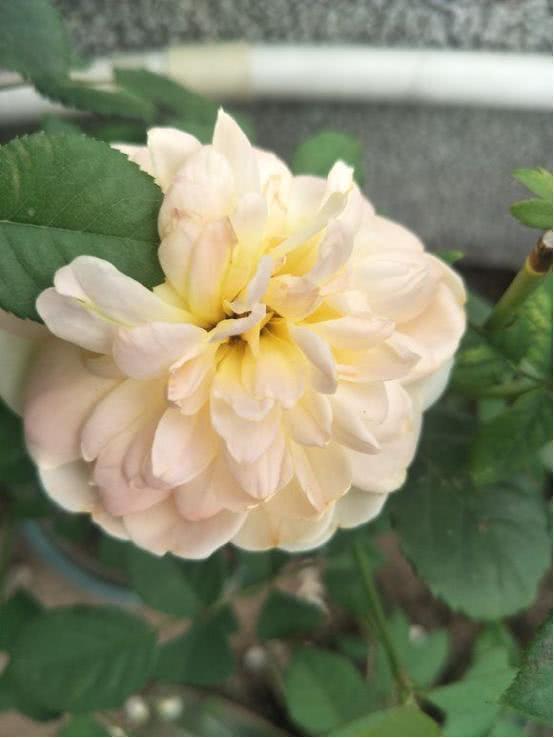
Many beginners may not yet understand what phytotoxicity is. Let me explain it to everyone: phytotoxicity refers to abnormal symptoms that appear in a plant after medication is applied to it, and it is actually somewhat similar to what we usually call "side effects." When there is a disease, it must be treated, but medication cannot be used indiscriminately. Improper use or improper dosage will cause harm to the plant.
How can you tell whether a rose has developed phytotoxicity? If you are a more observant gardening enthusiast, you will notice that after you spray medication on the branches and leaves, some grayish-brown spots may appear on the leaves, and the positions of these spots happen to match the positions of the medication residue. This situation is relatively common after using medication to kill red spider mites.
When caring for roses, fertilizer is very important. It is best to choose ecologically safe organic fertilizer, rich and balanced in nitrogen, phosphorus, and potassium, with various organic matter, minerals, and amino acids added, to promote rapid plant growth, produce more flower buds, bloom more, and extend the flowering period.
This situation is phytotoxicity. The reason this situation usually occurs is that medication is applied to the plant under blazing sun or high temperature. At this time, high temperature combined with the medicinal properties of the medication may produce a scorching effect on the branches and leaves, thereby leaving some spots. These spots are telling you that the leaves have already been burned! Even the branches are not spared.
At this time, the phytotoxicity has actually only damaged the surface layer, and the impact on the plant is still not serious, but it reminds all gardening enthusiasts to pay attention the next time they use medication. Of course, some more severe cases will cause the entire leaf to dry, scorch, and burn up, which is a relatively rare and extreme example. It shows that the concentration of the medication you used was really too high. If you are not good at mastering the mixing ratio of medication, it is better to use a lower ratio.
When caring for flowers, if you want a full pot and more blooms, fertilizer is very important. It is best to choose ecologically safe organic fertilizer, rich and balanced in nitrogen, phosphorus, and potassium, with various organic matter, minerals, and amino acids added, to promote rapid plant growth, produce more flower buds, bloom more, and extend the flowering period.
Speaking of this, many gardening enthusiasts will again be confused: is it not said that spraying pesticide at high temperature gives a better insect-killing effect? To this I can only say that in principle it is indeed so, but this also has to be decided according to the actual situation. For example, if you are spraying insecticide on a large tree, then choosing to do it when the blazing sun is directly overhead is completely fine.
Because large trees have strong resistance, many pests, and luxuriant branches and leaves, to a certain extent the sunlight exposure rate on the branches and leaves has already been reduced. Even if disease occurs, it will not be too serious. But for some small potted plants, the plant's tolerance must be taken into consideration. Please try to choose a time when the sunlight is mild, otherwise it is easy to cause harmful damage to the plant.