Detailed Explanation of Key Points of Seed Treatment Technology Before Rice Sowing
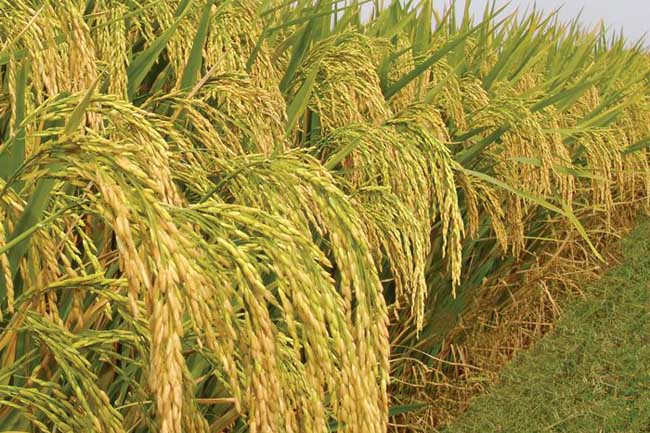
Rice seed treatment technology includes four steps: sunning the seeds, saltwater seed selection, seed disinfection, and mixing seeds with yield-increasing bacteria. The details are as follows.
Sunning the Seeds
Sunning the seeds can enhance the seeds' water permeability and air permeability, increase the germination rate, make the seeds germinate uniformly, produce robust seedlings, and also have a sterilizing and disease-preventing effect. Especially for seeds that are poorly matured and have become damp during storage, the effect of sunning is particularly obvious. Sunning method: choose a hot sunny day from 9 a.m. to 4 p.m., and sun them for 2-3 days. When sunning the seeds, spread them thin, turn them frequently, and dry them thoroughly, so that the seeds receive light and heat evenly and to prevent rubbing damage to the seed coat.
Saltwater Seed Selection
Saltwater seed selection is a simple and easy seed selection method. It can eliminate empty and shriveled grains, grass seeds, and other impurities, ensure the seeds are plump, and lay a good foundation for uniform, complete, and strong seedlings. The specific method is: first boil salt in a pot to make a concentrated saltwater solution, then mix it with clean water in another container to make saltwater with a specific gravity of 1.10-1.13 (if there is no hydrometer to measure the specific gravity, use one fresh egg, put it into the saltwater, and if the egg floats on the water surface and can expose a piece of eggshell the size of a five-fen coin, the specific gravity of the saltwater is about 1.10-1.13), put the seeds into the saltwater, stir fully, remove the empty and shriveled grains, grass seeds, and other impurities floating on the water surface, then take out the sunken seeds and wash them twice with clean water. Every two or three selections, use an egg to test the specific gravity again and adjust the saltwater concentration in time.
Seed Disinfection
The rice diseases transmitted by seeds are mainly dry-tip nematode disease and bakanae disease. The simple and effective way to prevent and control these two diseases is to carry out strict seed disinfection. The commonly used seed disinfection methods include the following:
1. Use one tube of seed-soaking agent (2 milliliters), add it to 10 kilograms of water, soak 6-8 kilograms of seeds, and soak the seeds in the dark for 120 hours. This method has a control effect of more than 95% on both dry-tip nematode disease and bakanae disease.
2. Use 98% cartap original powder diluted 6000 times with water, add 3% carbendazim solution and mix with Jiuzhai seaweed acid iodine, and soak the seeds for 72 hours. It has a good effect on preventing and controlling dry-tip nematode disease and bakanae disease.
When disinfecting seeds, note the following: during the seed soaking process, stir once about every 6 hours so that the seeds above and below are evenly exposed to the medicine. After soaking the seeds with the medicinal solution, take the seeds out and soak them in clean water for half an hour, repeated twice, to prevent phytotoxicity.
Mixing Seeds with Yield-Increasing Bacteria
Mixing seeds with yield-increasing bacteria before rice sowing can play a role in strengthening seedlings and increasing yield. The method is to mix one bag (20 grams) of yield-increasing bacteria with 20 jin of wet seeds before rice sowing, mix evenly, and then sow.