Detailed Explanation of Key Points of Integrated Pest and Disease Control Techniques for Wheat
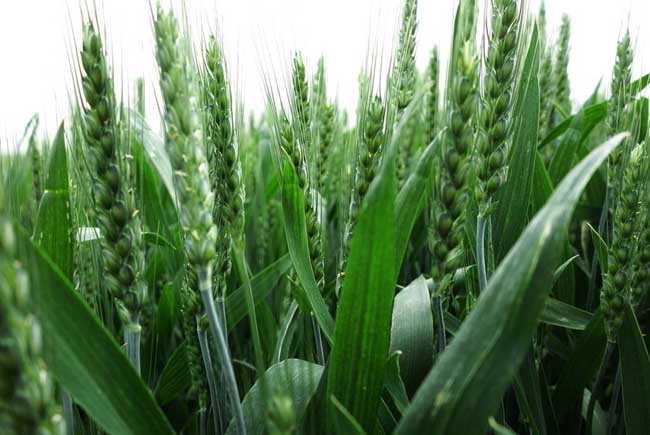
Wheat has many types of pests and diseases with a long damage period. In control, we must adhere to the plant protection policy of "prevention first, integrated control", strengthen forecasting and prediction of pests and diseases, grasp the initiative in controlling damage, take agricultural control as the foundation, focus on controlling wheat sharp eyespot, fusarium head blight, powdery mildew, wheat blossom midge, and ear aphids, while also controlling other pests and diseases; select high-efficiency, low-toxicity, low-residue pesticides, reduce the number of applications, lower the dosage, so as to protect natural enemies and reduce pest and disease damage. The following technical measures should be taken.
Green-up and Jointing Stage
Focus on controlling wheat sharp eyespot while also controlling other pests and diseases. After wheat green-up, apply 200 ml of 12.5% Wenmeiqing or 40 g of 20% Kaigangmycin powder per mu diluted in 40 kg of water for one application; at the booting stage, apply 0.5 kg of Hekuling or 25% triadimefon diluted in 10 kg of water for one spray, which can effectively control sharp eyespot and also control powdery mildew, rust, etc. In dryland wheat areas, use 1.5-2.5 kg of 2.5% Yidi powder, add 20-25 kg of fine soil, mix well and spread on the ground, and immediately hoe the soil to kill wheat blossom midge larvae.
Heading and Flowering Stage
Focus on controlling wheat fusarium head blight. Wheat fusarium head blight is a typical climate-related disease. Due to the widespread existence of inoculum sources and the lack of resistant varieties, from early flowering to full flowering, when the temperature is above 1°C and there are 3 consecutive days of overcast and rain or more than 5 days of rain in a ten-day period, immediately before rain or in the interval after rain stops, apply 100-150 g of 50% carbendazim wettable powder or 70% thiophanate-methyl or 540% ethyl thiophanate per mu diluted in 100 kg of water to spray and protect the ears, and spray again after 5-7 days to prevent infection.
Wheat Grain-filling Stage
Attention should be paid to the control of ear aphids, and it is better to select high-efficiency and low-toxicity pesticides such as imidacloprid, Puchongjing, and Dishaxing.