Earlier transplanting of rice helps achieve high yields
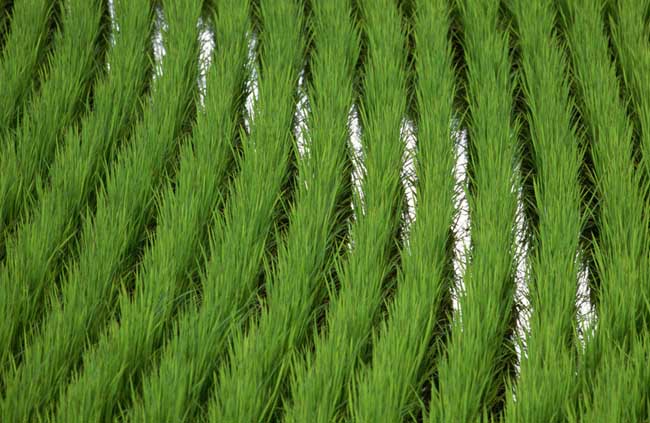
Rice is a major food crop in China, accounting for about half of the country's total grain output. Whether the rice harvest is good or poor directly affects the annual grain output. To strive for high and stable rice yields, timely early transplanting within the optimal seasonal period is a very important step.
Advantages of timely early transplanting of rice
1. Timely early transplanting of rice makes full use of abundant light and temperature resources
May is the end of the dry season in Yunnan and the beginning of the transition into the rainy season. During this period, sunlight is abundant, temperatures rise quickly, and light and heat resources are relatively rich. In most parts of China, the annual extreme maximum temperature occurs during this stage before the rainy season begins. Timely early transplanting of rice can make full use of this valuable period of the year with abundant sunshine and high temperatures, ensuring that the seedlings have a sufficient vegetative growth period in the field after transplanting to carry out photosynthesis and accumulate assimilated substances, laying the foundation for later reproductive growth. With timely early transplanting, rice grows under favorable light and temperature conditions, regreens quickly, tillers early and produces many tillers, and the effective tillering rate increases, laying the foundation for high yields with more panicles.
2. Timely early transplanting of rice can avoid low-temperature cold damage in the later stage
In most parts of China, the average temperature in July reaches its annual maximum, and after August it gradually declines. During this decline, once strong cold air from the north moves southward, when the temperature suddenly drops below the lower limit temperature for rice heading and flowering, it will cause great harm to rice, resulting in empty and blighted grains, a decrease in 1000-grain weight, and reduced yields. However, timely early transplanting within the optimal seasonal period can promote early emergence and rapid growth of rice, advance the heading and flowering period, to which rice is most sensitive to temperature, and thus avoid low-temperature damage during the yield formation period.
3. Timely early transplanting of rice creates conditions for a bumper harvest of two crops
Timely early transplanting of rice can make full use of abundant light and temperature resources, avoid low-temperature damage during the heading and flowering period, and strive for high and stable yields. At the same time, early heading, early maturity, and early harvest of rice also reduce the seasonal conflict between harvesting and sowing for the subsequent crop, creating favorable conditions for striving for a bumper harvest of two crops.
When the temperature rises and the daily average temperature stabilizes above 15°C, transplanting of rice seedlings can begin.
Seize the seasonal period and transplant early
In late April, the average temperature across the province is above 15°C everywhere except Deqin (6.8°C), Zhongdian (7°C), Lanping (12.1°C), Weixi (12.4°C), Ninglang (14.1°C), and Jianchuan (14.1°C).
As the saying goes: “Transplant early and you get grain; transplant late and you get grass”, “Transplant early and you get rice; transplant late and you get chaff”, “The seasonal period is treasure; strive for every minute and second”, “Transplant rice at the Start of Summer for high yields; transplant at Grain Full and it weighs you down at the waist; transplant at Grain in Ear and it is light and fluffy; transplant at Summer Solstice and you get a bundle of grass”. Please, all localities, seize the seasonal period and transplant the large areas of rice early, laying a good foundation for this year's bumper rice harvest.