Key Technical Points for Pest and Disease Control During the Wheat Sowing Period
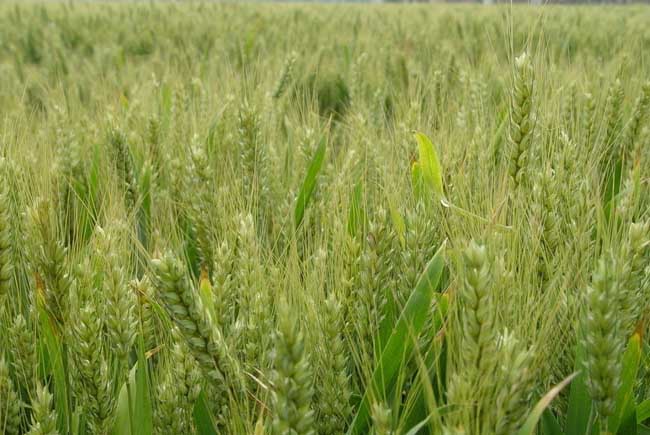
The wheat sowing period is a critical time for controlling many wheat pests and diseases. Control at this stage saves labor, time, and pesticide, can control multiple pests and diseases, and has remarkable results. The main targets for pest and disease control during the wheat sowing period are underground pests such as white grubs, mole crickets, and wireworms, wheat blossom midge, wheat sharp eyespot, take-all disease, viral diseases, yellow dwarf disease, rosette dwarf disease, smut, and so on. The control measures are:
Select disease- and pest-resistant varieties
Select disease- and pest-resistant varieties according to the main local pests and diseases, and ensure a sound and rational layout of varieties.
Create an ecological environment that prevents disease
Prepare the soil carefully, and clear diseased residues and weeds from the field and field edges. Persist in applying more decomposed farmyard manure and practice scientific balanced fertilization. Adopt cultivation measures such as sufficient soil moisture, appropriate-period late sowing, and precision or semi-precision sowing to cultivate strong wheat seedlings and improve the wheat's own disease resistance and stress resistance.
Treat the soil
In areas where underground pests and wheat blossom midge occur heavily, use 0.5-1 kg of 50% phoxim or 40% isofenphos-methyl emulsifiable concentrate per mu, add 2-3 kg of water, and mix with 20-25 kg of fine sandy soil to make toxic soil; spread it evenly on the ground before plowing and turn it into the soil with the plowing. For plots with severe take-all disease, use 2-2.5 kg of 50% carbendazim or 50% thiophanate-methyl per mu, mix with 15-20 kg of fine soil, spread it evenly on the ground before plowing, and turn it into the soil with the plowing.
Seed dressing with chemicals
In areas where underground pests generally occur, use 50 g of 40% methamidophos or 50% phoxim emulsifiable concentrate, add 4-5 kg of water, and dress 40-50 kg of wheat seed. For wheat sharp eyespot, smut, and stripe rust, use 2% flutriafol at 0.1%-0.15% of seed weight, or 20% triadimefon emulsifiable concentrate at 0.15% of seed weight, or 12.5% diniconazole at 0.12% of seed weight for seed dressing. Excessive use of triadimefon and diniconazole affects wheat emergence and growth, so the dosage must be strictly controlled to avoid phytotoxicity. For wheat take-all disease, use 100 mL of 2.5% silthiopham, add 1.5-2 kg of water, and dress 50-100 kg of wheat seed; sow after drying. For wheat yellow dwarf disease and rosette dwarf disease, use 100-150 mL of 75% phorate emulsifiable concentrate, add 3-4 kg of water, and dress 50 kg of wheat seed; after mixing evenly, pile and cover for 12 hours before sowing. In areas where pests and diseases occur together, vigorously promote mixed seed dressing with fungicides and insecticides, calculating each amount separately, dressing with insecticide first and then fungicide, and strictly follow seed dressing operating procedures to prevent human and livestock poisoning.
Seed coating
Seed coating agents are new pesticides compounded and processed from insecticides, fungicides, micronutrient fertilizers, plant growth regulators, film-forming agents, and so on. Seed coating has the advantages of being simple and convenient, slow-release, and long-lasting. In addition to controlling pests and diseases, it also has a seed fertilizer effect and should be promoted over large areas. Various places can choose seed coating agents with appropriate formulations according to the types of pests and diseases that occur.