Technical issues to note in the cultivation of organic rice
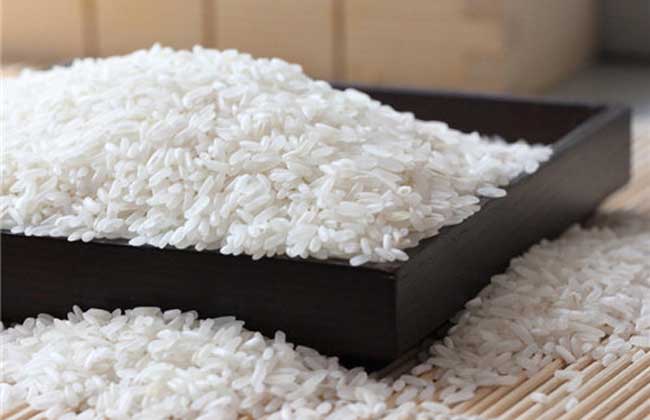
The production of organic rice must absolutely not use any pesticides, chemical fertilizers or other chemically synthesized substances. Technical steps such as weeding and pest and disease prevention are replaced by agronomic measures, and the production process must combine manual methods with biological control to produce rice.
Fertilization of the paddy field
Apply 40-45 cubic meters of fully decomposed farmyard manure per hectare. Apply it all at once as a base fertilizer, with no topdressing. To ensure stable yield and stress resistance, the amount of chemical fertilizer can be reduced by 50% in the first year, by 75% in the second year, and no chemical fertilizer may be applied in the third year, by which time the chemical fertilizer residues in the soil are basically eliminated.
Seed selection and soaking
Select high-quality varieties with strong stress resistance, such as Jijing 83 and Jijing 88. Rice seed treatment: use warm water instead of chemical agents for seed soaking and sterilization to control bakanae disease.
The rice seeds must be dry. Use 15 kg of warm water, maintaining the water temperature at 60°C, and 4 kg of rice seeds. Place them in the 60°C warm water and soak for 10-15 minutes. After soaking, remove the seeds and immediately soak them in 15 kg of cold water to bring them back to room temperature. Then carry out seed selection with 1:1.13 salt water.
Seedling management
Use mountain topsoil or field soil from the previous year plus fully decomposed farmyard manure in a 2:1 ratio to prepare nutrient soil, and use rice vinegar to adjust the acidity of the seedbed soil instead of rice seedling bed conditioner, applying 20 kg of nutrient soil per square meter. For underground pests in the seedling bed, use kang ash to drive them away. Spread the kang ash evenly on the bed surface, then spread the nutrient soil, then rake the bed surface fine and level for sparse sowing, cover evenly with 1.0 cm of soil, and then cover that soil layer with a 0.5 cm layer of fine sand to retain water and prevent weeds.
Sow sparsely, 3-5 liang of wet seed per square meter; grow strong seedlings, control temperature and moisture, and improve stress resistance; scatter poisoned grain around the four sides of the seedling bed to control underground pests; weed promptly by hand.
Land preparation and sparse transplanting
Evenly spread high-quality farmyard manure over the paddy field, then plow deeply. Harrow twice to eliminate weed sources, with an interval of about 7-10 days, maintaining a water layer to control weed sprouts. Transplant sparsely when the seedlings have 1-2 tillers and 4-4.5 leaves. Improve seedling quality and enhance plant stress resistance.
Paddy field management
1. Weeding is mainly done by raising ducks in the rice field, supplemented by manual weeding.
① Release 7-10 ducks per mu. The release time should not be too early; release the ducks around June 10 on clear, fine days. The ducks should be more than 50 days old, so prepare ducklings in advance according to plan. After the ducks are released into the field, generally no manual guarding is needed. Protect the surroundings of the paddy field with netting. Set the duck house on the field ridge. Where there are many weeds in the field, release more ducks; otherwise release fewer. Collect the ducks after heading and at the early stage of grain filling to prevent the ducks from eating the rice ears.
② When the ducks are in the rice field, they eat small weeds in the field when young, and after growing up they mainly eat dicotyledonous weeds. At the same time, the trampling of the ducks can indirectly play a weeding role, and their droppings are very good organic fertilizer, which can increase soil fertility by about 15% and increase rice yield by about 7%. Ducks have a natural habit of rooting in the ground, which can play a role in intertillage and soil activation, loosen the soil, increase oxygen, and promote the development of the rice root system. After autumn, the plants mature with green stalks, improving the thousand-grain weight and maturity of the rice.
2. Pest and disease control
① Ducks are the main means of pest control. Ducks in the rice field can eat the adults and larvae of the rice water weevil, the striped stem borer, the rice leaf beetle and others.
② The striped stem borer is the main insect pest of rice in the north. Trichogramma can be used to control the striped stem borer (the timing is basically the same as in corn fields). Because sparse transplanting and strong seedlings are achieved, the rice plants in the paddy field grow robustly, and diseases such as rice blast and sheath blight generally occur only lightly or not at all. In years with severe incidence, biological agents such as kasugamycin can be used for control.