The three principles of "looking" to follow when topdressing wheat after green-up
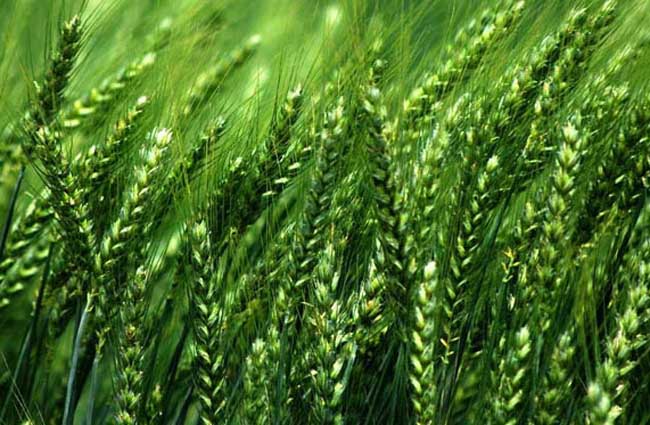
With temperatures rising, wheat will enter a stage of rapid growth and development, and the key period for topdressing wheat after green-up will soon arrive. Most farmers arbitrarily increase the amount of green-up fertilizer when topdressing, causing wheat lodging and reduced yields. On this point, the author suggests that farmers follow the "three looks" when topdressing wheat after green-up to ensure a bumper wheat harvest this year.
First, look at the seedling condition when fertilizing. During topdressing, fertilizer should be applied by category according to different seedling conditions. Generally speaking, late-sown seedlings and weak seedlings should be given heavier fertilizer to increase the rate of tillering into ears; strong seedlings should be given little or no green-up fertilizer. At the same time, for wheat fields that did not form strong seedlings over winter or have few tillers per plant, with a total stem and tiller count per mu below 400,000, fertilizer should be applied early and heavily, generally 20 kg per mu of a three-element sulfur-based compound fertilizer. For strong seedlings with good individual development and a moderate population during the overwintering period, apply little or no fertilizer, mainly controlling the jointing fertilizer to reduce the growth of ineffective spring tillers, prevent row and ridge closure, and favor ventilation and light penetration. For overly large, vigorously growing seedling populations, in addition to controlling fertilizer and water at the green-up stage, measures such as deep plowing and chemical regulation should also be taken to control the growth of wheat roots, stems and leaves.
Second, look at the soil when fertilizing. Sandy soil, because it "supports young seedlings but not old ones" and has poor fertilizer and water retention, should be given appropriately more fertilizer; if fertilizer is insufficient, it will have a certain impact on the number of ears and grains as well as later growth. Clay soil, because its fertilizer effect is poor in the early stage, should be given less at the green-up stage, and foliar fertilization can be used at the booting stage; note that too much fertilizer should not be applied, to prevent delayed maturity and lodging.
Third, look at the weather when fertilizing. If the green-up stage meets rainy days, apply chemical fertilizer with a fertilizer applicator; broadcasting chemical fertilizer is strictly prohibited, to avoid burning seedlings and leaves and affecting wheat growth. Broadcasting chemical fertilizer not only prevents wheat from absorbing it well, but also causes fertilizer volatilization and loss, leading to unnecessary waste. In dry weather, irrigate promptly after fertilizing to improve fertilizer use efficiency.