How Marfan syndrome patients can prevent bronchiectasis
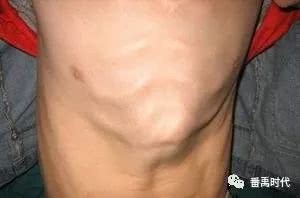
Marfan syndrome, one of the hereditary connective tissue disorders, is also called Marfan syndrome. It is generally inherited in an autosomal dominant pattern, with distinctive physical features such as pectus carinatum, long and disproportionate limbs, fingers and toes, and a height clearly exceeding that of ordinary people, accompanied by abnormalities of the cardiovascular system, especially combined heart valve abnormalities and aortic aneurysm, which are relatively common. It may also affect other organs, including the lungs, eyes, dura mater and hard palate.
What is referred to here is that Marfan syndrome easily causes bronchiectasis and other pulmonary diseases. For infants and young children showing the external or internal features of Marfan syndrome, close attention must be paid, with important focus on and prevention of bronchiectasis, such as preventing colds. As for Marfan syndrome, because it is a congenital disease, in terms of treatment, whether the internal manifestation is heart valve disease, aortic aneurysm disease, or pulmonary bronchiectasis, there is no perfectly satisfactory treatment method.
For the treatment and daily care of the various physiological symptoms of Marfan syndrome, male hormones and vitamins can be used, which are beneficial for collagen formation and growth. In addition, different manifestations require different treatments. When Marfan syndrome presents with congenital cardiovascular lesions, early acute surgical repair is suitable; for those with cardiac insufficiency and arrhythmia, internal medicine treatment is suitable. If combined with aortic aneurysm or heart valve insufficiency, surgery should be considered according to the situation, because medication cannot eliminate this disease.
Because aortic aneurysm carries the risk of rupture and bleeding, and heart valve insufficiency also carries the risk of death from heart failure. Therefore, surgical treatment of Marfan syndrome carries certain risks, and a prudent choice should be made according to the individual. However, with advances in technology, the current surgical success rate is already above 90%. If there is an indication of ruptured aortic dissecting aneurysm, timely surgical treatment should be performed.