Never use this kind of soil for your plants, it easily leads to root rot
This is day 917 of Blue Demon's daily original articles
Excerpt from the "30 Days from Zero Basis to Becoming a Plant Growing Expert" series
When it comes to potting soil for container plants, many people get a headache, not knowing how to mix it, and buying specialized soil is quite expensive, so many flower lovers choose general-purpose nutrient soil.
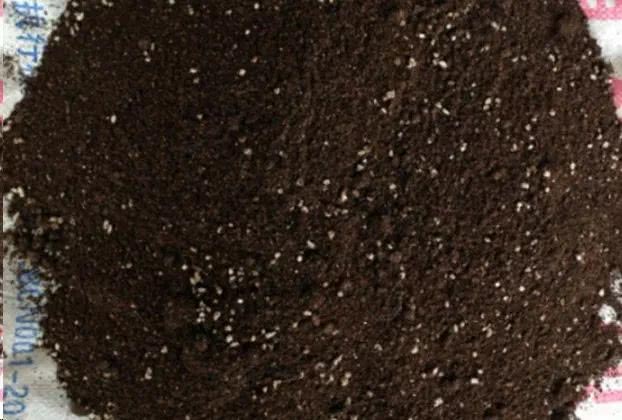
Actually, general-purpose nutrient soil used to be quite good, but nowadays the ingredients of general-purpose nutrient soil on the market are just too complicated, and you have no idea what has been mixed in. It looks very loose, but its water and air permeability is actually very poor.
About general-purpose nutrient soilA few years ago, Blue Demon also used general-purpose nutrient soil bought online, but found that not long after repotting with general-purpose nutrient soil, the container plants wilted and died. When dug out and examined, the roots were all rotted. Previously, several flower lovers also consulted Blue Demon, asking why their flowers slowly died after repotting. After asking, it turned out they had all used general-purpose nutrient soil too.
Flower lovers who have used general-purpose nutrient soil will notice, if they pay attention, that this kind of soil does not dry out for a long time after watering. This is due to poor air permeability. When the soil stays in a moist environment for a long time, it easily causes plant root rot.
With the above words, I think Blue Demon will offend a large group of people again, but there is no way around it. In order to help new flower lovers avoid detours, it does not matter if Blue Demon offends some people. At most, I will just get a few insults. I only hope that Blue Demon's words can truly help you!So if general-purpose nutrient soil cannot be used, what should be used?
What should be used for potting soil? This seemingly very complicated question is actually quite simple. As long as we understand the characteristics of commonly used potting soil substrates, it is easy to mix potting soil suitable for our container plants to grow in. The container plants we buy at flower markets often use peat and coconut brick soil as potting soil. So today Blue Demon will talk about these two commonly used substrate mixes.About peat soil
Peat soil is a cultivation substrate very widely used in flower and container plant growing. It is soil formed from plant residues that have accumulated into peat layers in low plains deposited by rivers and lakes and in mountain valleys, where, due to long-term water accumulation, dense aquatic vegetation, and oxygen-deficient conditions, large amounts of incompletely decomposed plant residues accumulate. Peat has very good air permeability and the ability to retain water and nutrients, and its texture is light and convenient.
Peat is further divided into imported peat and Northeast grass peat. Actually, the two are the same thing, but the quality is different. Compared with imported peat soil, Northeast grass peat is much worse in both air permeability and the ability to retain water and nutrients. But Northeast grass peat is cheap.
So in nursery seedling cultivation, Northeast grass peat is used in large quantities. We flower lovers growing on home balconies can also use Northeast grass peat, but imported peat is recommended. Peat is much cleaner, while Northeast grass peat has a lot of dust and is relatively dirty. Peat is a non-renewable resource, so many people now propose using coconut bricks to replace peat soil.So what are coconut bricks?
Coconut bricks are actually made from processed coconut shells, generally pressed into brick shapes, and soaked in water to expand before use. Coconut bricks have very good water retention. Although many people use them now, Blue Demon suggests using as few coconut bricks as possible when mixing potting soil, because coconut bricks' water retention capacity is too strong, which will keep your potting soil from drying for a long time, and after being moist for a long time, the coconut bricks at the bottom will become moldy.
Although the introduction of coconut bricks says they will not rot and become moldy, in fact coconut bricks do become moldy. Blue Demon has used them personally, and many flower lovers who have used coconut bricks report the same feedback. For new flower lovers, if you cannot control your own hands, or cannot grasp the right degree of watering, it is best not to use coconut bricks or to use less of them.
When mixing potting soil, besides using these two commonly used cultivation substrates, we also need to add some air-permeable materials to increase the air permeability of the potting soil. So what should be added?