The three most common mistakes in orchid care, which one have you made?
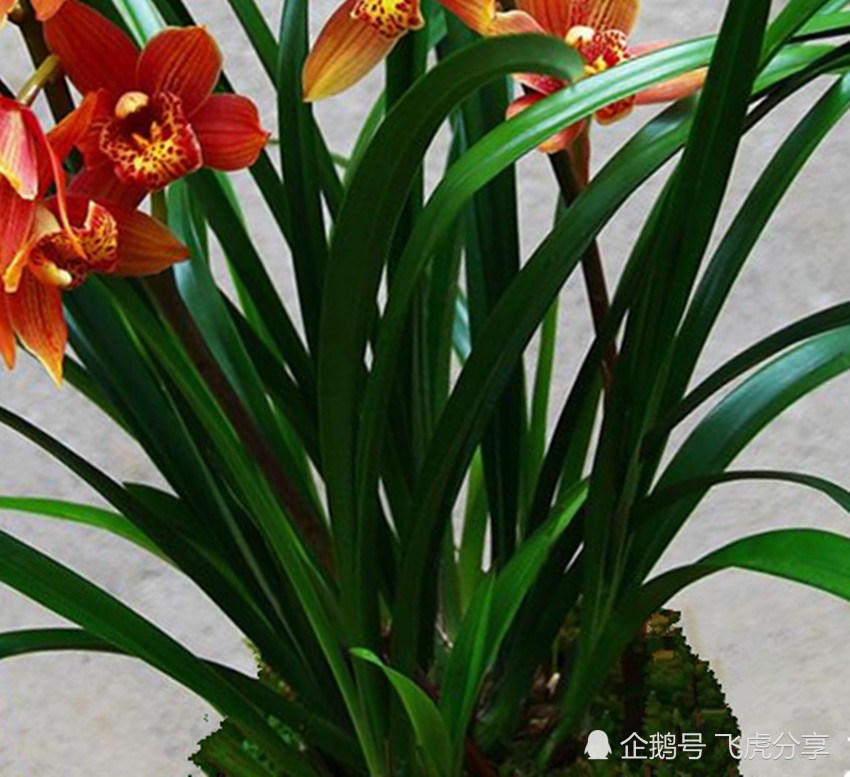
Many orchid-growing beginners, out of their love for flowers, do not understand the growing habits of orchids and often adopt wrong management methods in care, leading to yellow leaves, root rot and death of the orchids. So, what are the most easily made mistakes in orchid care? Let us find out below.
1. Planting the orchid too deep. Some orchid-growing beginners, when transplanting orchids, tend to plant them too deep, thinking that only by planting deep can the plant absorb water and nutrients. Doing so easily smothers and rots the newly sprouted leaf buds and flower buds. When transplanting an orchid, the pseudobulb should be left exposed above the soil surface or covered with only a thin layer of soil; it must never be planted too deep.
2. Watering without regularity or restraint. Some flower-growing beginners are overly eager in their love for flowers, afraid that the orchid they grow will dry out, and water every time before the soil has even dried. Over time, this leads to either yellow leaves or root rot. As the saying goes, understanding orchid care takes a moment, but mastering watering takes three years of practice. This shows that watering orchids must be moderate: neither too wet nor too dry, keeping the soil moist but not overly wet. Therefore, watering orchids cannot be done haphazardly; it must be done regularly and with restraint, following the rule of not watering when dry and watering thoroughly when you do.
3. Applying too much or too concentrated fertilizer. Applying fertilizer appropriately can promote the growth of orchids and the formation of buds and blooming, but orchids are very sensitive to fertilizer, and since orchids grow slowly, their need for fertilizer is not very great. A slight mistake in fertilizing can waste all previous efforts. Therefore, when fertilizing orchids, apply thin, dilute fertilizer, and for beginners the safest method is to buy ready-made orchid-specific nutrient solution or special fertilizer and dilute it with water as required.