Farmer's lung is a manifestation of extrinsic allergic alveolitis
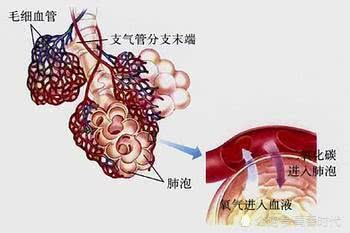
Farmer's lung is one type of extrinsic allergic alveolitis (extrinsic allergic bronchioloalveolitis), and extrinsic allergic alveolitis can in turn be considered a type of pneumoconiosis. Farmer's lung specifically refers to the extrinsic allergic alveolitis caused by farmers or other working people inhaling organic dust containing thermophilic actinomycetes when they come into contact with moldy straw or rice in their working environment, which can form macrophage granulomas and pulmonary interstitial fibrosis in the lungs.
Extrinsic allergic alveolitis, or extrinsic allergic bronchioloalveolitis, is the term used worldwide. Some countries and regions have already listed extrinsic allergic alveolitis as an occupational disease, which shows how widespread and common farmer's lung is. So when chills and high fever, excessive sweating, general malaise, loss of appetite, nausea, headache, chest tightness, shortness of breath, dry cough or a small amount of mucous sputum, difficulty breathing, hypoxia and similar phenomena appear in the fields or after labor, farmer's lung should be considered.
Farmer's lung bronchioloalveolitis
Extrinsic allergic bronchioloalveolitis is the manifestation of farmer's lung, and it is also divided into acute, subacute and chronic types. When a large amount of thermophilic actinomycete spores are inhaled, symptoms appear within 4 to 8 hours, with sudden onset, chills and high fever, excessive sweating, general malaise, loss of appetite, nausea, headache, chest tightness, shortness of breath, dry cough or a small amount of mucous sputum. At this time it is very easily diagnosed as a "cold", but it may actually be farmer's lung, so a check-up at a regular hospital is needed to confirm the diagnosis as soon as possible.
In acute farmer's lung, about 10% of patients may also experience asthma-like attacks, skin itching and mucosal edema and other (immediate-type) allergic reaction symptoms. On physical examination, rapid breathing may be seen, and even hypoxia; a small amount of moist rales and crepitations may be heard in both lower lungs, with occasional wheezing, and accelerated heart rate, etc.
Farmer's lung moldy rice
Chronic farmer's lung occurs in those repeatedly exposed to large amounts of antigen, and the condition does not heal for a long time. Clinically, cough, sputum production, difficulty breathing, hypoxia, cyanosis and extreme fatigue may be seen, and those with secondary infection may have fever and excessive sweating. At this time it is very easily misdiagnosed as "chronic bronchitis". On physical examination, there may be signs of pulmonary interstitial fibrosis or scattered moist rales in both lungs. The subacute type mostly develops from a delayed progression of the acute type, with relatively severe symptoms that are easily misdiagnosed. However, because it is difficult to define its timing and clinical manifestations and it is rarely seen, it generally does not need to be included in routine classification.
If you have questions or need help, you can call 01062170649 13269852331