Black tips on gardenia leaves spoil their looks; check the soil and foliage to keep disease from spreading
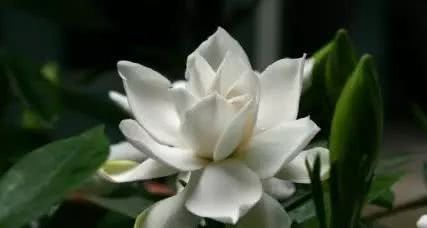
Gardenias have a delightful fragrance and glossy green leaves, making them excellent whether you grow them for foliage or for flowers. Many plant lovers keep one or two pots of gardenia at home. That said, gardenias tend to grow relatively better in the south and may do a little worse in the north, because gardenias like acidic soil, while soil in the north is mostly alkaline. So problems can arise during growing, and here Xiaonong will share with you some gardenia growing issues.
The plant lover mentioned that the gardenia grown at home has blackening leaves. From the pictures, the gardenia is actually growing quite well, with glossy green leaves, and the blackening is not serious. I suggest checking whether you are watering too much, because the pictures cannot show how wet or dry the potting soil is, and if you water too much, black leaf tips can appear. When watered too much, the roots sit for a long time in soil with poor aeration, making root rot quite likely. Once root rot occurs, the leaves do not get enough nutrients, so they turn black and drop off.
The plant lover's gardenia
For blackening gardenia leaves caused by overwatering, I suggest first cutting off the leaves that have already turned black. Move the pot to a ventilated, airy spot so the potting soil can drain as quickly as possible and the soil's stickiness decreases. If the gardenia already has severe root rot, you need to take it out of the pot, cut off the rotted roots, disinfect the roots, and replant it.
Besides overwatering, other causes can also make gardenia leaves turn black, such as pests. In the hot, stuffy summer weather, plants are prone to insects, and aphids and scale insects are the most likely to appear on gardenias; both can cause gardenia leaves to turn black. The pests generally suck the sap from gardenia stems, spread bacteria, and cause fungal diseases in the gardenia, which then leads to the problem of blackening leaves.
In this case, the plant lover needs to first prune away all the leaves that have turned black, then spray according to the specific pest. Pest problems are also not easy to deal with, so plant lovers must be patient. In daily care, keep the gardenia in a ventilated, airy spot and keep the leaves clean. When spraying, do not use one pesticide for a long time; it is best to alternate several pesticides, which can reduce the chance of pests developing resistance.
Low-temperature freeze damage is also one of the reasons gardenias develop black leaves, and this is one of the reasons gardenias are less suited to growing in the north than in the south. However, the current weather conditions will not cause low-temperature freeze damage. After autumn arrives, plant lovers just need to pay attention to the weather conditions in the gardenia's growing environment.
The above is original content from Kexue Xingnong.