Want lush leaves and abundant blooms? This guide teaches you how to master every kind of flower fertilizer
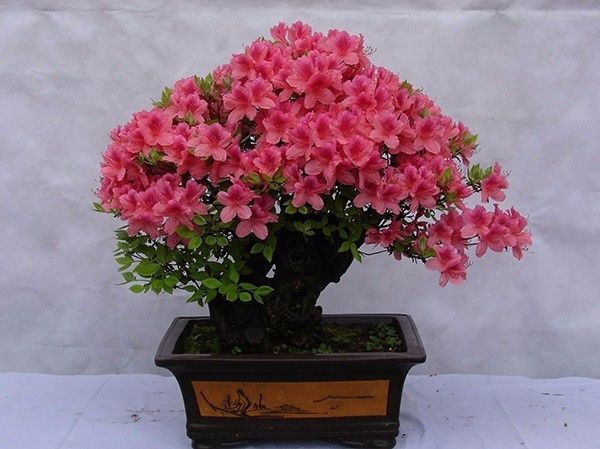
We all know that plant growth depends on light, water, air, and nutrients.
Many flower growers are thoroughly familiar with the many flower fertilizers on the market, and they also have experience composting organic fertilizers themselves. With proper care as the foundation, as long as flower fertilizer is used well, the plants will surely have green leaves and sturdy stems, with large, vivid blooms that make people admire and envy them.
Plant growth requires different nutrient elements, and each plays a different role. Today we will give flower growers who are new to the hobby a rundown of the flower fertilizer knowledge that every gardener must know.
Want fat roots and sturdy plants?
Nitrogenis the main element that promotes strong, vigorous roots, stems, and leaves and improves the efficiency of photosynthesis. With sufficient nitrogen fertilizer, plant roots are thick and strong, stems and leaves stand upright, and the color is emerald green.
When nitrogen fertilizer is lacking, the plant is thin and weak, the leaves are small and not green in color, and the roots absorb poorly, which of course also affects flowering.
Inorganic nitrogen fertilizers on the market include urea, ammonium nitrate, ammonium bicarbonate, and others.
In daily life, sources of organic nitrogen fertilizer include:Beans, nuts, sesame paste, vegetable and melon/fruit peels and cores, spoiled milk powder, and animal manure. After being composted, these materials are all excellent organic nitrogen fertilizers.
Want big, vividly colored flowers and plump, beautiful fruit?
Phosphorusis the most important element for promoting robust reproduction in flowers and plants. With sufficient phosphorus fertilizer, flowers bloom larger and more numerous, with more beautiful colors, and the fruit is bigger and glossier.
When phosphorus fertilizer is insufficient, leaf color is darker, growth is slower, leaf stalks and veins turn yellow and purple, flowers are small and few, and the color and flower shape are not attractive, let alone the fruit.
Common inorganic fertilizers on the market include: superphosphate and monopotassium phosphate.
In daily life, sources of organic phosphorus fertilizer include:Fish guts, fish scales and bones, shrimp and crab shells, animal hooves, horns and hair, and eggshells. Once composted, these materials are the best sources of phosphorus fertilizer.
Want plants to stay far from pests and diseases?
Potassiumis a fertilizer element that improves plant resistance. With sufficient potassium fertilizer, flowers and plants rarely lodge, and their ability to resist pests and diseases is greatly strengthened.
If potassium fertilizer is lacking, flower and plant stems are very easily affected by adverse changes in the external environment and prone to pest and disease problems. Leaf edges tend to dry out, and in severe cases the leaves yellow and the old leaves drop off.
Common inorganic potassium fertilizers on the market include potassium chloride, monopotassium phosphate, potassium nitrate, and others.
Organic potassium fertilizer in daily lifecan be found in rice-washing water, plant ash, leftover tea, and spoiled milk.
Indispensable mineral micronutrients
Calcium, magnesium, sulfur, zinc, iron, copper, manganese, and othersOthermineral elementsalso play a necessary role in plant growth, and together with other nutrients they jointly promote plant growth.
Among these elements, deficiencies of magnesium, iron, and calcium are more common. Magnesium deficiency shows as old leaves yellowing and wrinkling, with dead spots appearing on the leaves. Calcium deficiency shows as new leaves curling back and the terminal bud wilting. Iron deficiency shows as leaf veins staying green while the leaf blade turns yellow, with dry leaf tips. Manganese deficiency shows as diseased spots on new leaves.
Plants do not need very large amounts of micronutrients,and under normal circumstances these elements can be obtained from the soil. If the symptoms above appear, it is usually because the potting soil has not been changed for a long time.
Eggshells can supplement calcium, Epsom salt (magnesium sulfate) can supplement magnesium, rusty iron nails are often used to supplement iron, and potassium permanganate is used to supplement manganese.
The main flower fertilizer knowledge needed for growing flowers is summarized here. With this knowledge, plus familiarity with the habits of your plants, making their leaves greener and their flowers more beautiful is really not difficult.
The basic knowledge of flower fertilizer is all here, and nothing should have been left out. If it is useful, save it quickly! Also, right now this midsummer season is a great time to make your own flower fertilizer, so get moving!
If you also love growing flowers, then follow us!