Is Clivia hard to get through summer? Do these 3 details well and it will bloom abundantly
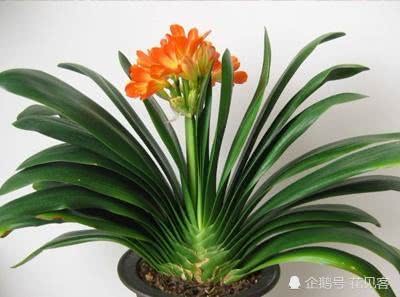
Clivia is a flower loved by many flower enthusiasts, yet it is also the most troublesome flower, especially when summer comes, with high temperatures, high humidity, and strong light, all of which are unfavorable to the growth and flowering of Clivia, making it very difficult to get through summer.
Today Huar will introduce to everyone the care of Clivia; do these 3 details well, and never mind getting through summer, blooming abundantly will be no problem at all!
1. Controlling watering
In caring for Clivia, watering has always been the worry of many flower enthusiasts: water too little and the leaves wilt and turn yellow, water too much and root rot begins. First of all, we need to know that Clivia has fleshy roots and itself has a certain drought tolerance. In summer, water evaporates quickly, so it is necessary to replenish water in time. Generally, when the surface of the potting soil looks whitish, you can water; do not wait until it is completely dry before watering, as this has already caused a certain amount of damage to the Clivia root system.
In summer, besides watering, you can usually place it in a shallow water basin for care, which can greatly avoid root damage caused by lack of water and affecting the normal growth of the plant.
2. Controlling fertilizing
Clivia does not have a large demand for fertilizer, but if you want it to grow better and be able to bloom, then you need to let it absorb more nutrients. In summer, Clivia's absorption capacity is relatively low, so fertilizing must be very dilute, and it cannot be too frequent; mainly apply diluted liquid fertilizer.
You can carry out foliar topdressing by spraying 0.1% potassium dihydrogen phosphate or calcium superphosphate onto the leaves. However, when spraying, be careful to use a fine nozzle, with a fine mist being best, and spray from bottom to top.
3. Pest and disease prevention
Summer is also the peak period for various pests and diseases, such as leaf spot disease, fusarium wilt, bacterial soft rot, etc., so the plant must be protected well; otherwise, once invaded, it is relatively difficult to recover, and the impact on growth and flowering is very great.
Besides placing it in a well-ventilated place for care, you can also spray the leaves with 50% carbendazim diluted 1000 times, 2-3 times a month. During the plum rain season, the leaves should be frequently disinfected and sprayed; you can use 0.1% potassium permanganate for disinfection and sterilization.
The care of Clivia is introduced here. If flower enthusiasts have other additions, you can share them with everyone in the comment section below. If you want to learn more about flower-growing knowledge, you can follow Huajianke!