Give your clivia this kind of water, and its leaves will have folds like a folding fan, and it will bloom more every year
Growers of clivia all know that clivia needs frequent fertilizing. With too little fertilizer, the leaves are narrow and thin, pale, and lack luster, the flowers are small, and the color is dull. Of course, it must not be a strong fertilizer either, as fertilizer burn will make the leaves turn yellow and crease, and even rot the roots and kill the plant. With reasonable fertilizing, clivia leaves stand upright and are emerald green, with good luster, wide and thick blades, and large, brightly colored flowers.
“
Clivia "drinking water"
- Rice water -
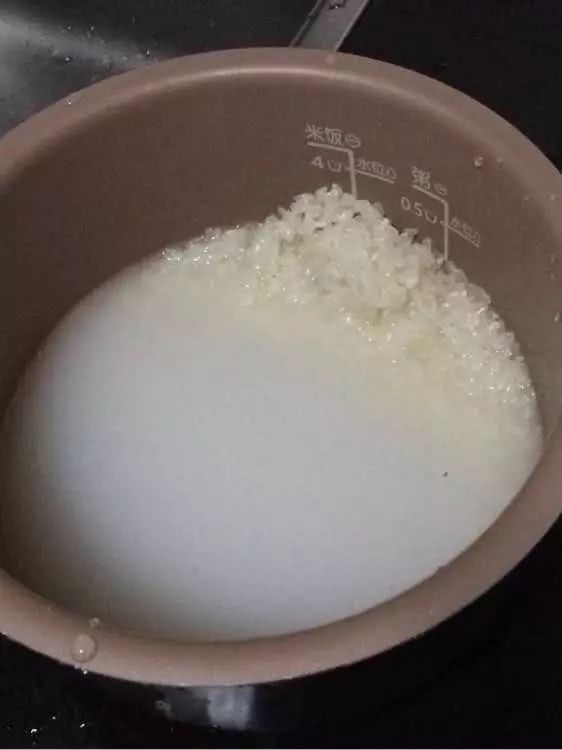
Rice water has dissolved some of the starch, protein, vitamins and other nutrients from the rice, which after decomposition can be absorbed and used by clivia. Moreover, rice water is weakly acidic, and clivia also likes a weakly acidic soil environment, so it can improve the pH value of clivia's growing environment.
Collect the rice water and pour it into a plastic bottle, not too full, about 70 percent full. Then put in a few slices of orange peel and tangerine peel. Cover with the lid and leave it in the sun for a few days; when it turns slightly yellow, it is ready to use. Dilute the fermented rice water 10 times and water the clivia with it; it can supplement soil fertility, and the plant will grow robustly with plump leaves.
The starch contained in rice water can be fermented and broken down into sugar, which then turns into acid, so it is weakly acidic. Rice water also contains bran and a small amount of broken rice grains, and is rich in phosphorus, nitrogen and trace elements, which can provide fertility for clivia to use. The nutrient concentration of rice water is relatively low and fairly mild, so it is not likely to cause fertilizer burn. It is a simple, readily available good fertilizer.
(Clivia Bar, Dazhangwan)
- Beer water -
Beer is a good flower fertilizer. Beer itself is a fermented product, generally made by fermenting malt with beer yeast, producing nutrients such as sugar, protein, amino acids and phosphate. Many of these can not only be absorbed by people, but some can even be absorbed directly by plants, which benefits plant growth. Beer also contains a large amount of carbon dioxide, which can help flowers and plants carry out photosynthesis.
So beer is a good flower fertilizer and can be used to fertilize clivia and other flowers. To avoid waste, leftover beer or expired beer from everyday drinking can be used to water flowers.
Dilute beer with water 50 times, and it can be used directly to fertilize by watering the roots. It can supplement the phosphorus content in the soil, which benefits clivia flowering and seed setting.
Dilute beer with water 20 times, and it can be used to spray the leaf surface, or use a soft cloth dipped in it to wipe the leaf surface. Beer has many small-molecule components, and quite a few can be absorbed directly by plant leaves, and the carbon dioxide it contains also helps increase clivia's photosynthetic capacity. Wiping the leaf surface regularly can not only supplement nutrients, but also wipe away dust from the leaves, which benefits clivia growth.
If clivia has stuck flower spikes, beer can be used to promote the spikes. Tie the leaves on both sides together, pour beer directly around the edge of the pot, then rinse once with clean water to increase air permeability. Or water with beer diluted 10 times, and the effect is the same. Then place the flowerpot in a place with a higher daytime temperature, and the flower spikes will soon shoot out.
- Potassium dihydrogen phosphate water -
During clivia's vegetative growth period, nitrogen and potassium fertilizers should be the main focus, which helps the leaves grow and accumulate nutrients. If it enters the reproductive period, that is, the flowering period, then phosphorus and potassium fertilizers should be the main focus. If too much nitrogen fertilizer is applied, too many nutrients will be consumed on the leaves, and it will not bloom or will bloom less.
Phosphorus fertilizer promotes cell division and reproduction, makes clivia bloom earlier and bear more fruit, with plump seeds, and promotes the formation of flower buds. Potassium dihydrogen phosphate is a very good quick-acting phosphorus-potassium fertilizer, which clivia leaves and roots can absorb directly, and results can be seen within a week. You can prepare a 0.2% potassium dihydrogen phosphate aqueous solution to spray the leaves or water the roots. It can be used in all four seasons, and is best used before flowering; clivia will send up more spikes, have larger flowers, and bear plump fruit.
Water clivia with these 3 kinds of water
It will bloom more, and the leaves will be oily green with good luster
If you also grow clivia
Then give it a try
Show it to flower lovers who need it!