Add this to the pots of spider plants and pothos, apply once every half month and they will easily fill the pot without yellow leaves
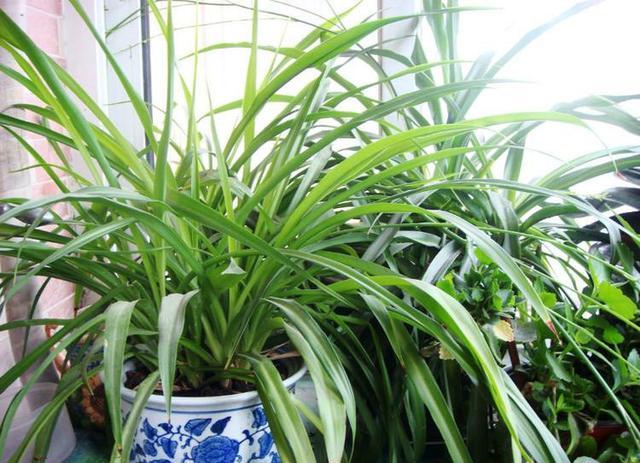
As someone who loves growing flowers, you definitely cannot do without some foliage plants at home, such as spider plants, pothos, snake plants, and so on. These plants are generally green all year round, and whether they are kept in the living room or on the balcony, they can add quite a bit of vitality and energy. On top of that, these plants are especially easy to grow and very easy to fill a pot with, so people keep growing more and more of them.
However, the easier a plant looks to grow, the easier it is to overlook some small details, leading to yellow leaves, dry tips, and root rot. Spider plants and pothos are two fairly typical examples. They are both very easy to grow and simple to propagate, and a single stem can grow into a plant, but yellow leaves are unavoidable. So what should you do?
When spider plants and pothos have yellow leaves, aside from improper light and watering, the bigger reason is a lack of nitrogen, phosphorus, and potassium, which means a lack of fertilizer. But many people who grow flowers nowadays are rather lazy and think fertilizing is troublesome. In addition, they think these plants do not need continuous fertilizing, so over time the plants lack nutrients, which directly leads to yellow leaves and dry tips.
Solutions to prevent yellow leaves in plants:
Applying well-rotted organic fertilizer such as barnyard manure or chicken manure once a month is best, as this ensures the absorption of various trace elements and prevents yellow leaves. But these things smell too strong and are simply not suitable for putting in potted flowerpots. However, organic fertilizer is not limited to these smelly fertilizers; soybeans can replace them too! As everyone knows, soybeans are rich in nitrogen and other trace elements, as well as various proteins and other nutrients that plants need, so they are perfect for growing flowers.
Using soybeans to grow flowers also has its tricks. The specific steps: first soak the soybeans in tap water for two hours, then pour them into a pot and boil for half an hour, and finally put the cooked soybeans together with the water into a mineral water bucket, seal it and place it in a cool place, and after about a week take it out and it is ready to use. Some people may say that fermented soybeans do not smell good either, but that does not matter, you can put orange peel in.
After a week, bury the fermented soybeans in the potting soil of the spider plants and pothos. The specific effect is shown in the picture below:
First dig a small hole in the flowerpot, then put three to five soybeans directly in, and then cover with soil. Bury some soybeans every ten centimeters. Slowly the soybeans will decompose and be absorbed by the plant roots. Then just wait for your spider plants and pothos to fill the pot! However, there is one small detail to remind you of: after burying the soybeans, do not rush to water. Wait 4 hours and then water thoroughly once. This can ensure the soybeans decompose a bit faster. It promotes the breakdown of nutrients.
In fact, besides spider plants and pothos, most foliage plants and flowering plants are also suitable for growing with soybeans. For example, common snake plants, money trees, rubber trees, as well as clivia, Chinese roses, orchids, crabapples, gardenias, and so on. Their fertilizing method is the same as described above. It is just that for certain plants, you can put in fewer soybeans, such as gardenias, which are relatively sensitive to fertilizer, so you can put one to two soybeans in each small hole.
That is all for sharing the tips on growing flowers with soybeans. Thank you for reading!
Remember to like and share~