Fertilizer know-how for potted plants: green leaves, bright blooms and bigger fruit
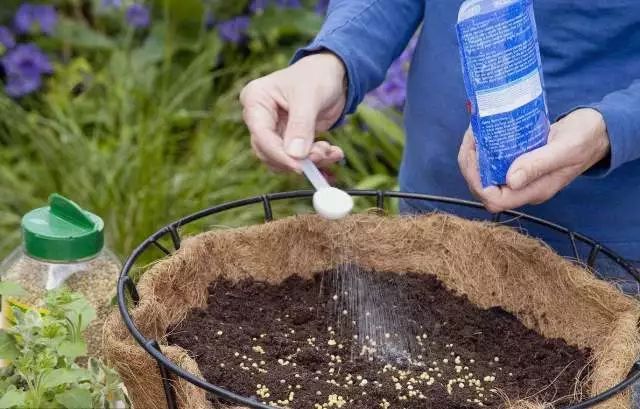
Nitrogen, phosphorus and potassium
Grown on a balcony, whether vegetables, flowers or fruit seedlings, as long as you understand and control the three essential mineral elements "nitrogen, phosphorus and potassium", you can get abundant fruit and a full harvest!
Of course, we need to figure out which aspects of plant growth each of the three mineral elements "nitrogen, phosphorus and potassium" affects.
Nitrogen, phosphorus and potassium
Effects on plant growth
Nitrogen
(N)
Nitrogen fertilizer is also called leaf fertilizer. It can promote rapid plant growth, lush branches and leaves, and dark green leaf color.
For flower seedlings or foliage plants, nitrogen fertilizer should be applied mainly. It is generally applied mostly from spring to early summer. If nitrogen fertilizer continues to be applied in the later stages of plant growth and development, it will cause excessive growth of stems and leaves, and the branches and buds will struggle to mature fully, seriously affecting flowering and fruit set.
With too much nitrogen fertilizer, stems and leaves become weak and are prone to pest and disease damage. Therefore, before the plant enters the reproductive growth phase (flower bud differentiation stage), nitrogen fertilizer application should be stopped.
Phosphorus
(P)
Phosphorus fertilizer is also called fruit fertilizer. It can promote flower bud differentiation and bud formation, make flowers richer in color, plump and full in fruit set, and also promote robust plant growth.
Phosphorus fertilizer is usually most effective when applied in the later stages of plant growth and development. Therefore, before flowering and after fruit set, phosphorus fertilizer can be applied. Plants have the ability to store phosphorus fertilizer in their bodies and can regulate its use according to growth needs.
Therefore, phosphorus fertilizer can be applied generously all at once in the base fertilizer; phosphorus fertilizer will not cause fertilizer damage from excessive application like nitrogen fertilizer does.
Potassium
(K)
Potassium fertilizer is also called root fertilizer. It can make stems and root systems grow strong, make plants less prone to lodging, and enhance resistance to pests, diseases and cold.
Potassium fertilizer is an indispensable fertilizer in the early stage of plant development. During the seedling stage, shoot growth stage and after transplanting seedlings, more potassium fertilizer can be applied. In the later stage of plant development, potassium fertilizer helps photosynthesis, and its effect is especially significant for bulb production in bulbous flowers.
So, throughout the entire growth process of flowers, potassium fertilizer is indispensable. At the same time, potassium fertilizer will not cause fertilizer damage from excessive application.
The editor's tip: for flowers kept indoors for a long time, because insufficient light weakens photosynthesis, potassium fertilizer can be applied in large amounts.
Making good use of the three mineral elements nitrogen, phosphorus and potassium can provide great help for plant growth.